
Stellar Blade does not ask for one fixed specification. SHIFT UP publishes four tiers for the PC edition, and the part that changes most between them is the graphics card: a GeForce GTX 1060 6GB at the minimum tier, an RTX 2060 SUPER at the recommended tier, an RTX 2070 SUPER at the High tier, and an RTX 3080 at the Very High tier. Memory stays at 16 GB and storage at 75 GB in every tier. The real decision is which published tier a laptop’s listed graphics card and memory meet, and whether its drive matches the wording given for that tier.
This guide serves players shopping for a first gaming laptop, players replacing an older GTX-era machine, and players who want a lighter laptop for play away from a desk. Every pick was chosen from the name and specifications printed on its product listing, and each section quotes those listed figures so you can line them up against the four tiers yourself.
Quick Picks
As an Amazon Associate we earn from qualifying purchases
| Product | Best for | Key spec from title |
|---|---|---|
| HP Victus 15 | A first gaming laptop that lives on a desk | GeForce RTX 5060 |
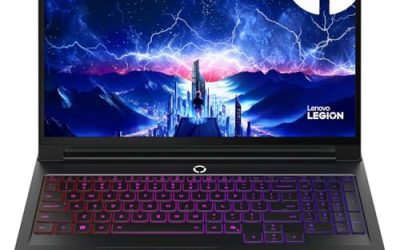
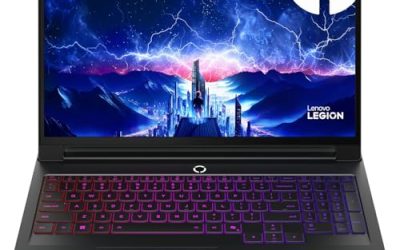
| Lenovo Legion 5 Gen 10 | Play at 2560×1600 on an OLED panel | WQXGA OLED 500nits display |
| Acer Nitro V 15 | Fast-moving play on the fastest listed screen | FHD IPS 180Hz display |
| MSI Katana 15 | Dedicated graphics with a full terabyte built in | GeForce RTX 4050 |
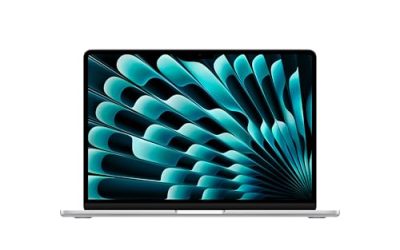
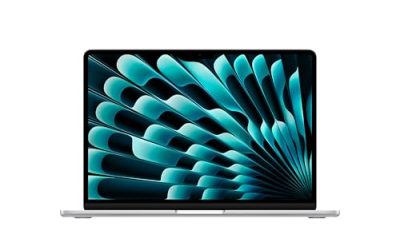
| ASUS Zenbook 14 OLED | Daily carry first, modest settings for play | AMD Radeon 780M |
How to Choose
Platform and the Four Published Tiers
Stellar Blade’s PC edition is Windows-only: the store page publishes a single Windows block (Windows 10 64-bit, DirectX 12) and no macOS or Linux block, so there is no native Mac edition. SHIFT UP publishes four tiers. Minimum pairs a Core i5-7600K or Ryzen 5 1600X with a GTX 1060 6GB or RX 580 8GB, aimed at 1080p on the Low preset with a 60 frames per second target. Recommended pairs a Core i5-8400 or Ryzen 5 3600X with an RTX 2060 SUPER or RX 5700 XT for 1440p on Medium. High names an RTX 2070 SUPER or RX 6700 XT at 1440p, and Very High an RTX 3080 or RX 7900 XT at 4K.
Graphics Cards Against the Published Tiers
The four tiers name desktop graphics cards, and laptop cards carry similar names in mobile form, so read the comparison as a guide to the name ladder rather than a measured result. The Victus and the Legion list an RTX 5060, a newer generation than the RTX 2060 SUPER named at the recommended tier and the RTX 2070 SUPER named at High. The Nitro lists an RTX 4060, which sits in that same newer generation. The Katana lists an RTX 4050 6GB, above the minimum tier’s GTX 1060 6GB and below the RTX 2060 SUPER named at Recommended, stated plainly. The Zenbook’s Radeon 780M is integrated graphics and sits below the dedicated GTX 1060 6GB named at the minimum tier.
Memory and Storage Against the Published Line
Every published tier lists 16 GB of memory, so memory is the simplest check on this page. Four of the five picks list exactly 16 GB, and the Victus lists 32 GB of DDR5, double the published figure. Storage is 75 GB at every tier, but the drive wording changes by tier, quoted exactly as published: the minimum tier reads “HDD Supported, SSD Recommended,” the recommended tier reads “SSD Required,” and the High and Very High tiers list an SSD in the published table. All five picks here list solid-state drives of 512 GB or 1 TB, so the 75 GB install fits on each one, with the least spare room on the Zenbook’s 512 GB drive.
Screens, Weight and Where Builds Cut Back
The listed screens split by resolution. The Legion’s 2560×1600 OLED panel is the only one in the 1440p class the Recommended and High tiers target; the Victus, Nitro and Katana list 1920×1080 panels and the Zenbook 1920×1200, in the 1080p class of the minimum tier’s target. Refresh figures run from the Nitro’s 180Hz and the Legion’s 165Hz down through 144Hz panels to the Zenbook’s 60Hz. Listed weights vary widely: the Zenbook lists about 2.65 pounds, while the Victus prints a 10-pound item weight and the Legion 7.09 pounds, both high for the class. The cutbacks are plain: the Katana pairs its RTX 4050 with DDR5-4800 memory, and the Zenbook trades graphics power for a thin, light body.
The 5 Best Options
HP Victus 15
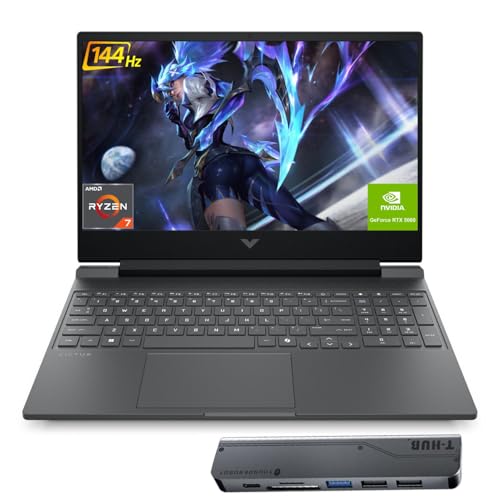
The Victus fits players whose first check is the graphics card name. Its listing names a dedicated GeForce RTX 5060, a newer generation than the RTX 2060 SUPER the recommended tier names and the RTX 2070 SUPER named at High, and it pairs that card with 32 GB of DDR5 memory, double the 16 GB figure printed at every tier. The 1 TB SSD clears the 75 GB storage line with room for a large library, and the 15.6-inch 144Hz panel matches the 1080p class of the lower published targets. The published tiers name desktop cards, so treat the laptop card as a name-ladder guide.
Specs
- Processor: AMD Ryzen AI 7 350, up to 5.0 GHz as listed
- Graphics: NVIDIA GeForce RTX 5060, dedicated; the listing does not print a video memory figure
- Memory: 32 GB DDR5 RAM, 4800 MHz memory speed as listed
- Storage: 1 TB SSD, PCIe x4 interface as listed
- Display: 15.6-inch FHD 1920×1080, 144Hz
- Keyboard and ports: RGB backlit keyboard, RJ-45 Ethernet
- Bundle: Thunderobot 7-in-1 USB-C hub included as listed
- Operating system: Windows 11 Home; color Black; series TPN-Q279
Best for: players who want the joint-newest graphics card name here and double the published memory figure.
Watch out for: the listing never prints the RTX 5060 video memory figure, and its printed 10-pound item weight reads like a shipping figure, so confirm both on the product page before ordering.
ASIN: B0G1N8R9Z4
Lenovo Legion 5 Gen 10

The Legion fits players who want to play at the screen’s native resolution. Its 15.1-inch OLED panel lists 2560×1600, the only display here in the 1440p class that the Recommended and High tiers target, and the listing prints the full graphics figure: an RTX 5060 Laptop GPU with 8 GB of GDDR7 memory, a newer generation than the RTX 2060 SUPER named at the recommended tier. Memory is 16 GB of DDR5-5600, exactly the figure every tier lists, and storage is a 1 TB SSD. USB4 and HDMI 2.1 ports suit a desk setup with an external monitor.
Specs
- Processor: AMD Ryzen 7 260, 3.80 GHz up to 5.10 GHz
- Graphics: NVIDIA GeForce RTX 5060 Laptop GPU, 8 GB GDDR7
- Memory: 16 GB DDR5-5600 SODIMM
- Storage: 1 TB SSD, M.2 2242 PCIe Gen4
- Display: 15.1-inch WQXGA OLED, 2560×1600, 500 nits, non-touch, 165Hz as listed
- Ports: USB4, HDMI 2.1, Ethernet (RJ-45)
- Keyboard: 24-zone RGB backlit keyboard
- Operating system: Windows 11 Home; item weight 7.09 pounds as listed
Best for: players who want a 2560×1600 OLED screen and a fully printed graphics memory figure.
Watch out for: the printed 7.09-pound item weight reads high for a 15-inch gaming laptop, and the 16 GB of memory matches the published figure exactly, with no headroom beyond it.
ASIN: B0FXMY8FYW
Acer Nitro V 15

The Nitro fits players who put the screen’s refresh figure near the top of the list. Its 15.6-inch IPS panel lists 180Hz, the highest refresh figure among these five, and its RTX 4060 Laptop GPU sits a generation above the RTX 2060 SUPER named at the recommended tier. The listed Core i9-13900H is the strongest processor name here against the Core i5 examples the tiers publish. Memory is 16 GB of DDR5 in two slots with a 32 GB maximum as listed, and the 1 TB Gen 4 SSD sits in one of two M.2 slots, so both memory and storage can grow later.
Specs
- Processor: Intel Core i9-13900H
- Graphics: NVIDIA GeForce RTX 4060 Laptop GPU, with DLSS 3.5 as listed
- Memory: 16 GB DDR5, two slots, 32 GB maximum as listed
- Storage: 1 TB PCIe Gen 4 SSD, two M.2 slots as listed
- Display: 15.6-inch FHD IPS, 180Hz as listed
- Ports: Thunderbolt 4, HDMI 2.1, Ethernet (RJ-45)
- Cooling and extras: dual fans, backlit keyboard, Wi-Fi 6 as listed
- Operating system: Windows 11 Home; model ANV15-51-99XD; color Black
Best for: players who want the highest listed refresh figure and room to add memory or storage later.
Watch out for: the listing does not print the RTX 4060 video memory figure, so check the exact configuration on the product page rather than assuming a figure from the card name.
ASIN: B0D8JTYXQM
MSI Katana 15

The Katana fits players who are honest about aiming at the lower published tiers. The listing’s bullet text names an RTX 4050 with 6 GB of GDDR6 memory: that sits above the GTX 1060 6GB named at the minimum tier and below the RTX 2060 SUPER named at the recommended tier, stated plainly. Memory is 16 GB of DDR5-4800, the figure every tier lists, and storage is a 1 TB NVMe SSD, past the 75 GB line. The Core i7-13620H is a newer processor than the Core i5 examples the publisher names. The 144Hz panel matches the 1080p class of the minimum tier’s published target.
Specs
- Processor: Intel Core i7-13620H
- Graphics: NVIDIA GeForce RTX 4050, 6 GB GDDR6 per the listing bullet text
- Memory: 16 GB DDR5-4800
- Storage: 1 TB NVMe SSD
- Display: 15.6-inch Full HD IPS, 144Hz
- Ports: USB Type-C as listed
- Operating system: Windows 11 Home
- Model: B13VEK-277US; color Black
Best for: players targeting the minimum tier’s published settings who still want dedicated graphics and a full terabyte.
Watch out for: the listing’s technical-details table prints a 16 GB graphics memory figure that conflicts with the 6 GB GDDR6 in its own bullet text, so go by the bullet text and confirm on the page.
ASIN: B0BZBN3857
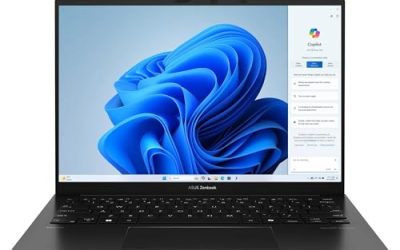
ASUS Zenbook 14 OLED

The Zenbook fits players who carry the laptop all day and treat gaming as the second job. Its Radeon 780M is integrated graphics, which sits below the dedicated GTX 1060 6GB named at the minimum tier, stated plainly: this is the pick for modest settings, not a match for any published tier. What it offers instead is portability, at about 2.65 pounds as listed, a 75 Wh battery with up to 17 hours as listed, and a 14-inch OLED panel with strong listed color figures. Memory is 16 GB of LPDDR5X, the exact figure every tier lists, and the 512 GB SSD still clears the 75 GB install line.
Specs
- Processor: AMD Ryzen 7 8840HS, up to 5.1 GHz as listed
- Graphics: AMD Radeon 780M integrated, 12 RDNA 3 compute units as listed
- Memory: 16 GB LPDDR5X
- Storage: 512 GB M.2 NVMe PCIe 4.0 SSD
- Display: 14-inch WUXGA OLED, 1920×1200, touchscreen as listed, 100% DCI-P3, 500-nit peak HDR, 60Hz
- Battery: 75 Wh, up to 17 hours as listed
- Weight and wireless: about 2.65 pounds as listed; Wi-Fi 6E
- Operating system: Windows 11 Home; color Jade Black; model UM3406HA-WS74T
Best for: players who carry the laptop daily and accept modest settings when they play.
Watch out for: the listing describes a touchscreen while the maker’s own spec sheet for the UM3406HA lists a non-touch panel, and the 512 GB drive is the smallest here, so confirm the panel type and your spare space before ordering.
ASIN: B0DFWZ77LB
Which One Fits Your Situation
You Play at 1440p on the Laptop’s Own Screen
The Legion is the fit here. It is the only pick whose listed panel, a 2560×1600 OLED running at 165Hz as listed, sits in the same resolution class as the 1440p targets printed for the Recommended and High tiers. Its RTX 5060 Laptop GPU carries 8 GB of GDDR7 memory as printed on the listing, and the 1 TB SSD meets the drive wording for those tiers without any checking.
You Want Memory Headroom Beyond the Published Figure
The Victus is the fit here. Every published tier lists 16 GB of memory, and the Victus lists 32 GB of DDR5, double that figure, which leaves room for the game alongside a browser, chat apps and recording tools. Its RTX 5060 is also the joint-newest graphics card name in this group, and the 1 TB SSD holds the 75 GB install many times over.
You Are Aiming at the Lower Tiers and Know It
The Katana is the fit here. Its RTX 4050 6GB sits above the GTX 1060 6GB named at the minimum tier and below the card named at Recommended, so it matches the minimum tier’s published 1080p Low target honestly rather than pretending to the higher tiers. You still get 16 GB of memory, a 1 TB SSD and a 144Hz panel, which covers the published minimum line on every other figure.
The Laptop Travels With You Every Day
The Zenbook is the fit here. At about 2.65 pounds as listed, with a 75 Wh battery and up to 17 hours as listed, it is the only pick built for a daily bag. The trade is graphics: its integrated Radeon 780M sits below the dedicated card named at the minimum tier, so it suits modest settings and shorter sessions rather than the published tier targets.
Common Mistakes
- Reading the four published tiers as one fixed requirement and buying for the Very High tier when the laptop’s own panel is a 1080p screen.
- Assuming a laptop graphics card is the same part as the desktop card the tiers name, when the published figures name desktop cards and laptops carry mobile versions.
- Skipping the drive wording: the minimum tier says an HDD is supported with an SSD recommended, while the recommended tier says an SSD is required, so check any machine against the exact wording for the tier you target.
- Forgetting the 75 GB install size on a 512 GB drive that also holds an operating system and other games.
- Trusting a single figure in a listing when another part of the same listing disagrees with it, instead of checking which figure the bullet text supports.
Frequently Asked Questions
Does Stellar Blade run on a Mac or on Linux?
No native edition is published for either system. The store page carries a single Windows block, Windows 10 64-bit with DirectX 12, and no macOS or Linux block at all, which is why every laptop in this article is a Windows machine. Each of the five runs Windows 11 Home as listed, which covers the published operating system line.
Which published tier should a laptop buyer aim for?
Match the tier to the screen you will actually use. A 1080p panel lines up with the minimum tier’s published target of 1080p on the Low preset, while a 1440p-class panel lines up with the Recommended and High targets, and the Very High tier is a 4K target. Those resolution and frame figures are the publisher’s own targets, quoted here as published, not promises about any single laptop.
Is 16 GB of memory enough for Stellar Blade?
Sixteen gigabytes is the figure printed at all four published tiers, so a laptop listing 16 GB matches the published line exactly. Four of these picks list 16 GB, and the Victus lists 32 GB, which simply adds headroom for other programs running beside the game. Memory speed differs by listing, from DDR5-4800 in the Katana to DDR5-5600 in the Legion.
Can the Zenbook’s integrated graphics handle Stellar Blade?
The Radeon 780M is integrated graphics, and it sits below the dedicated GeForce GTX 1060 6GB named at the minimum published tier, stated plainly. That makes the Zenbook the portability pick in this group, suited to modest settings, rather than a match for any of the four tiers. Players who want a listed card at or above the minimum tier’s figure should choose one of the four gaming laptops instead.
More from Amazon
Programs that pair well with the guide above. Offers and eligibility are set by Amazon and may change.
A free business account with business pricing and bulk-buying tools for work, shop or home office.
Create a business accountFree shipping on eligible items, Prime Video and more. Eligible new members can start with a free trial.
Start a Prime free trialAudiobooks and podcasts to listen to on the go. Eligible new members can start with a free trial.
Try Audible freeAd-free music streaming. Eligible new subscribers can start with a free trial.
Try Music Unlimited freeAs an Amazon Associate we earn from qualifying purchases.
Write Your Review
No reviews yet. Be the first to share your experience!