
The Exit 8 is a short anomaly-spotting walking simulator, and the store page itself puts a full run at just 15 to 60 minutes. That changes the buying decision completely: the published requirements are a single minimum-only block, so almost any current Windows laptop clears the hardware line, and the real choice becomes portability, screen size and panel figures as the listings state them, rather than raw graphics power chased for a one-hour game.
This guide serves horror fans who want a light machine for short evening sessions, players building a small library of indie horror titles, and buyers who need one laptop that also covers far heavier games later. Every pick below was chosen from the names and specifications printed on its product listing, then checked against the published requirement line.
Quick Picks
As an Amazon Associate we earn from qualifying purchases
| Product | Best for | Key spec from title |
|---|---|---|
| HP Victus 15 | A first gaming laptop that also covers heavier titles | NVIDIA GeForce RTX 5060 |
| Lenovo Legion 5 Gen 10 | The sharpest screen for spotting small visual changes | 15.1-inch WQXGA OLED 500 nits |
| Acer Nitro V 15 | Strong processor headroom with a fast panel | Intel Core i9-13900H |
| MSI Katana 15 | A straightforward dedicated-graphics option | NVIDIA GeForce RTX 4050 6GB GDDR6 |
| ASUS Zenbook 14 OLED | Carrying the game anywhere in a light bag | Radeon 780M integrated graphics |
How to Choose
Platform and the Published System Requirements
Steam sells The Exit 8 for Windows only. The store page publishes one requirements block and it is minimum-only, with no recommended tier: Windows 10 64-bit, an Intel Core i7-4770 processor, 8 GB of memory, a GeForce GTX 970 graphics card, DirectX 11 and 2 GB of available storage. No macOS block and no Linux block are published, so there is no native Mac edition to plan around. The same page states the play time plainly as 15 to 60 minutes, which is worth weighing before paying for hardware far beyond this line.
Graphics Cards Against the Published Line
The published graphics line names one older dedicated card, the GeForce GTX 970, and nothing above it. Four picks here carry newer dedicated cards from the RTX 4050 up to the RTX 5060, each sitting beyond that single named figure on paper. The fifth pick, the Zenbook, uses integrated Radeon 780M graphics instead. Integrated graphics are not what the published line names, so treat that machine as the portability option for this short, undemanding title rather than as a match for the wording, and check the exact graphics line on any listing before ordering.
Memory and Storage Against the Published Line
The published block asks for 8 GB of memory and 2 GB of storage, figures every pick here doubles or far exceeds. The Victus lists 32 GB of DDR5 memory, while the other four list 16 GB each, in DDR5 or LPDDR5X form as printed. Storage is simpler still: each machine lists an SSD of 512 GB or 1 TB, so the 2 GB install fits hundreds of times over. The practical check is not this game at all, but the rest of your library, because modern titles ask for far more space than this one.
Display, Weight and Where Lighter Machines Cut Back
Anomaly spotting is a visual task, so panel figures matter more here than in most genres. The Legion lists a 15.1-inch WQXGA OLED panel at 2560×1600 with 500 nits and a 165Hz refresh figure, while the Victus, Nitro and Katana list 15.6-inch Full HD IPS panels at 144Hz or 180Hz as printed. The Zenbook lists a 14-inch OLED touchscreen at 1920×1200 and weighs about 2.65 lbs as listed, against 4.66 lbs for the Nitro. Lighter machines cut back on dedicated graphics first, which is the trade to accept knowingly.
The 5 Best Options
HP Victus 15
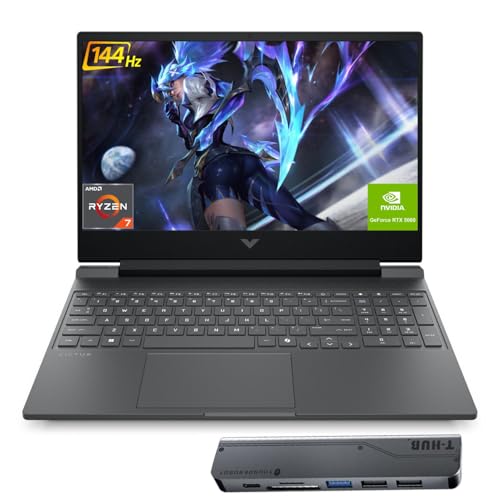
The Victus suits the buyer who wants The Exit 8 tonight and a machine that keeps working when the library grows into far heavier titles. Its listing pairs a Ryzen AI 7 350 processor with a dedicated RTX 5060 and 32 GB of DDR5 memory, double the memory figure of every other pick here, plus a 1 TB SSD. Against a published line asking for 8 GB of memory and a GTX 970, that is generous headroom stated plainly. The 15.6-inch Full HD panel lists a 144Hz refresh figure for smooth corridor pans.
Specs
- Processor: AMD Ryzen AI 7 350, up to 5.0 GHz as listed
- Graphics: NVIDIA GeForce RTX 5060, dedicated, as listed
- Memory: 32 GB DDR5 at 4800 MHz as listed
- Storage: 1 TB SSD, PCIe x4 interface as listed
- Display: 15.6-inch Full HD 1920×1080 IPS, 144Hz
- Keyboard: RGB backlit keyboard as listed
- Ports: RJ-45 Ethernet; bundled Thunderobot 7-in-1 USB-C hub as listed
- Operating system: Windows 11 Home
- Series: TPN-Q279, Black
Best for: buyers who want one gaming laptop for this short horror title and a growing library of heavier games.
Watch out for: the listing does not print a video-memory figure for the RTX 5060, and its printed item weight of 10 pounds reads high for this class, so confirm both on the page before ordering.
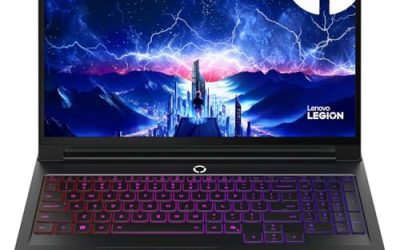
Lenovo Legion 5 Gen 10

The Legion fits players who care most about the screen, which is the working tool of an anomaly-spotting game. Its listing names a 15.1-inch WQXGA OLED panel at 2560×1600 with 500 nits and a 165Hz refresh figure, the sharpest set of display figures in this group. Underneath sit a Ryzen 7 260 processor, a dedicated RTX 5060 with 8 GB of GDDR7 memory as listed, 16 GB of DDR5-5600 memory and a 1 TB SSD, each comfortably beyond the published minimum line for this title.
Specs
- Processor: AMD Ryzen 7 260, 3.80 GHz up to 5.10 GHz
- Graphics: NVIDIA GeForce RTX 5060 Laptop GPU, 8 GB GDDR7
- Memory: 16 GB DDR5-5600 SODIMM
- Storage: 1 TB SSD M.2 2242 PCIe Gen4
- Display: 15.1-inch WQXGA OLED 2560×1600, 500 nits, non-touch, 165Hz as listed
- Battery: 80 Wh as listed
- Ports: USB4, HDMI 2.1, Ethernet as listed
- Keyboard: 24-zone RGB backlit keyboard as listed
- Operating system: Windows 11 Home
Best for: players who want the clearest, brightest panel for picking out small changes in a repeated corridor scene.
Watch out for: the listing prints an item weight of 7.09 pounds, which reads high for a 15.1-inch machine, so check the weight figure on the page if you plan to carry it daily.
Acer Nitro V 15

The Nitro suits buyers who want strong processor headroom in a conventional gaming chassis. Its listing, model ANV15-51-99XD, pairs a 13th generation Intel Core i9-13900H with a dedicated RTX 4060 laptop GPU and 16 GB of DDR5 memory that the listing says can rise to 32 GB across two slots. Storage is a 1 TB PCIe Gen 4 SSD with two M.2 slots as listed, and the 15.6-inch Full HD IPS panel carries a 180Hz refresh figure as printed, the highest refresh figure among the 15.6-inch picks here.
Specs
- Processor: Intel Core i9-13900H, 13th generation
- Graphics: NVIDIA GeForce RTX 4060 Laptop GPU, with DLSS 3.5 as listed
- Memory: 16 GB DDR5, two slots, 32 GB maximum as listed
- Storage: 1 TB PCIe Gen 4 SSD, two M.2 slots as listed
- Display: 15.6-inch Full HD IPS, 180Hz as listed
- Connectivity: Thunderbolt 4, Wi-Fi 6, Ethernet as listed
- Cooling: dual fans as listed
- Keyboard: backlit keyboard as listed
- Weight: 4.66 lbs as listed
- Operating system: Windows 11 Home
Best for: buyers who want upgrade room in memory and storage plus a fast-refresh panel for a wider game library.
Watch out for: the listing does not print a video-memory figure for the RTX 4060, so confirm the graphics memory on the page if that figure matters for other games you own.
MSI Katana 15

The Katana is the straightforward dedicated-graphics pick in this group, listed as model B13VEK-277US. It combines an Intel Core i7-13620H processor with an RTX 4050 carrying 6 GB of GDDR6 memory per the listing bullet text, 16 GB of DDR5-4800 memory and a 1 TB NVMe SSD. Set against a published line that names a GTX 970 and 8 GB of memory, those figures clear the bar with room to spare. The 15.6-inch Full HD IPS panel lists a 144Hz refresh figure, matching the Victus on that printed number.
Specs
- Processor: Intel Core i7-13620H
- Graphics: NVIDIA GeForce RTX 4050, 6 GB GDDR6 per the listing bullet text
- Memory: 16 GB DDR5-4800
- Storage: 1 TB NVMe SSD
- Display: 15.6-inch Full HD IPS, 144Hz
- Ports: USB Type-C as listed
- Model: B13VEK-277US
- Colour: Black
- Operating system: Windows 11 Home
Best for: buyers who want a no-frills gaming laptop whose listed figures sit clearly above this game’s published minimum line.
Watch out for: read the listing’s bullet text for the graphics memory figure and confirm the full specification table on the page matches it before ordering, since seller tables and bullets can differ.
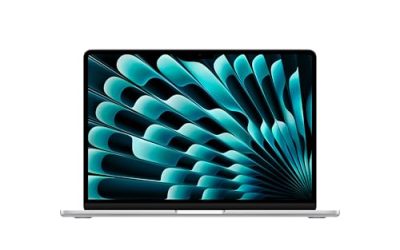
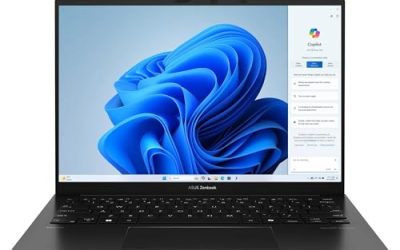
ASUS Zenbook 14 OLED

The Zenbook is the portability pick, and its trade-off should be stated plainly: it uses integrated Radeon 780M graphics, while the published line for this game names a dedicated GeForce GTX 970. For a 15 to 60 minute walking simulator it remains a sensible travel option, but it is not the machine for demanding 3D titles. Its listing names a Ryzen 7 8840HS processor, 16 GB of LPDDR5X memory, a 512 GB SSD and a 14-inch WUXGA OLED touchscreen at 1920×1200 as listed, in a body of about 2.65 lbs.
Specs
- Processor: AMD Ryzen 7 8840HS, up to 5.1 GHz as listed
- Graphics: AMD Radeon 780M, integrated, 12 RDNA 3 compute units as listed
- Memory: 16 GB LPDDR5X
- Storage: 512 GB M.2 NVMe PCIe 4.0 SSD
- Display: 14-inch WUXGA OLED touchscreen 1920×1200 as listed, 100% DCI-P3, 500-nit peak HDR, 60Hz as listed
- Connectivity: Wi-Fi 6E as listed
- Battery: 75 Wh, up to 17 hours as listed
- Weight: about 2.65 lbs as listed
- Colour: Jade Black
- Operating system: Windows 11 Home
Best for: travellers and students who want the lightest machine here for short horror sessions between other work.
Watch out for: the graphics are integrated rather than the dedicated card the published line names, and the listing describes a touchscreen while the maker’s spec sheet for this model lists a non-touch panel, so verify the panel on the page.
Which One Fits Your Situation
You Play Short Horror Sessions After Work
A 15 to 60 minute game fits into an evening without a long setup, so a machine that wakes fast and sits on a desk or sofa tray matters more than peak graphics. The Victus covers this well, with its SSD, 32 GB of listed memory and a dedicated card that also handles the longer games you rotate through on weekends.
You Want the Clearest View of Every Corridor
Spotting what changed in a repeated passageway is the whole task, so panel resolution and brightness lead the decision. The Legion’s listed WQXGA OLED panel at 2560×1600 and 500 nits gives the sharpest printed figures here, and its dedicated RTX 5060 keeps the rest of a horror library covered as well.
You Carry Your Laptop All Day
Weight decides this one. The Zenbook lists about 2.65 lbs, far below the gaming models, and its battery figure of up to 17 hours as listed suits a full day away from a desk socket. Accept the integrated graphics knowingly: fine for this short title, limiting for demanding 3D games.
You Are Building a Broader Horror Library
If this short game is the first of many, buy for the library rather than the single title alone. The Nitro’s two memory slots and two M.2 slots as listed give the clearest upgrade path, and its RTX 4060 and 180Hz panel figures as printed leave headroom for newer releases.
Common Mistakes
- Buying a heavy flagship machine for a game the store page itself lists at 15 to 60 minutes of play time.
- Assuming a Mac edition exists, when Steam publishes a Windows block only for this title.
- Reading the minimum-only block as a recommended tier and shopping far above figures the publisher never printed.
- Ignoring panel resolution and brightness, the two figures that matter most when the task is spotting small visual changes.
- Choosing integrated graphics for a whole library because one short, light title happens to ask for very little.
Frequently Asked Questions
Does The Exit 8 run on Mac or Linux laptops?
No. Steam publishes a single Windows requirements block for The Exit 8, app 2653790, and no macOS or Linux block at all, so there is no native Mac edition. The published block is minimum-only: Windows 10 64-bit, an Intel Core i7-4770, 8 GB of memory, a GeForce GTX 970, DirectX 11 and 2 GB of storage. Every pick in this guide is therefore a Windows laptop.
How long does The Exit 8 take to finish?
The store page states the play time plainly as 15 to 60 minutes. It is a short walking simulator built around careful observation of one repeated underground passageway. That brevity is worth weighing before buying hardware for this game alone, since a single evening can cover the full run the page describes.
Is integrated graphics enough for The Exit 8?
The published line names a dedicated GeForce GTX 970, so integrated graphics sit outside the publisher’s own wording. The Zenbook’s Radeon 780M is included here as the portability pick for this short, light title, framed honestly on that basis. If you also play demanding 3D games, choose one of the dedicated-card picks instead.
What should I check on a listing before ordering?
Confirm the graphics card name and its memory figure, since some listings omit the video-memory number entirely. Check the printed item weight too, because two listings here show figures that read high for their class. Finally, verify the panel type and resolution on the page, as listing text and maker spec sheets can describe the same model differently.
More from Amazon
Programs that pair well with the guide above. Offers and eligibility are set by Amazon and may change.
A free business account with business pricing and bulk-buying tools for work, shop or home office.
Create a business accountFree shipping on eligible items, Prime Video and more. Eligible new members can start with a free trial.
Start a Prime free trialAudiobooks and podcasts to listen to on the go. Eligible new members can start with a free trial.
Try Audible freeAd-free music streaming. Eligible new subscribers can start with a free trial.
Try Music Unlimited freeAs an Amazon Associate we earn from qualifying purchases.
Write Your Review
No reviews yet. Be the first to share your experience!