
Returnal is a third-person roguelike shooter from Housemarque, and its published PC line is heavier than most laptop buyers expect from a console port. The Steam page asks for a GeForce GTX 1060 with 6 GB of memory as the minimum graphics card, 16 GB of memory, and 60 GB of storage, with an SSD recommended at that tier. The decision is how far above that floor to aim: the recommended line names an RTX 2070 Super class card and 32 GB of memory, while thin, light machines trade that headroom for portability.
This guide serves players who want Returnal on a laptop they can carry to work or class, players building a desk setup around one machine, and anyone replacing an older gaming laptop that sits below the published minimum. Every pick below was chosen from the names and specifications on its product listing, then checked against the published requirements, so the graphics card, memory and storage in each section are the figures the seller states, not estimates.
Quick Picks
As an Amazon Associate we earn from qualifying purchases
| Product | Best for | Key spec from title |
|---|---|---|
| HP Victus 15 | Long desk sessions with the recommended memory already fitted | RTX 5060 with 32GB DDR5 RAM and 1TB SSD |
| Lenovo Legion 5 Gen 10 | Players who want the sharpest built-in screen in this group | RTX 5060 with 15.1-inch WQXGA OLED display |
| Acer Nitro V 15 | A strong processor with memory and storage room to grow | Intel Core i9-13900H with RTX 4060 |
| MSI Katana 15 | A full-size gaming laptop with a dedicated card and big SSD | Intel Core i7 13620H with RTX 4050 and 1TB NVMe SSD |
| ASUS Zenbook 14 OLED | Carrying one light laptop everywhere, gaming second | Ryzen 7 8840HS with Radeon 780M graphics |
How to Choose
Windows Only, With a Published Requirements Line
Returnal began as a PlayStation 5 title, and on computers it is a Windows game. The Steam store page (app 1649240) publishes one set of requirements, for Windows 10 64-bit version 1903 or later, and no macOS edition has been published for the PC release, which is also sold through the Epic Games Store. That settles the first choice: every laptop in this guide runs Windows. The published minimum asks for an Intel Core i5-6400 or AMD Ryzen 5 1500X processor, 16 GB of memory, a GeForce GTX 1060 with 6 GB or a Radeon RX 580 with 8 GB, and 60 GB of storage.
Graphics Card and Memory Against the Published Line
Graphics is where this game separates gaming laptops from office machines. The minimum names dedicated cards, the GeForce GTX 1060 with 6 GB and the Radeon RX 580 with 8 GB, and the recommended line steps up to an RTX 2070 Super with 8 GB or a Radeon RX 6700 XT with 12 GB. Integrated graphics, including the Radeon 780M in the Zenbook below, sit under that minimum line and share system memory instead of carrying their own. Memory matters alongside the card: 16 GB is the published minimum, while the recommended line doubles it to 32 GB, a figure only the Victus here meets as shipped.
SSD Speed and Capacity, As Published
Storage is a short check with a firm answer. The game needs 60 GB of available space at both published tiers, and the Steam page adds a plain note at the minimum tier: SSD recommended. The fuller specification the publisher shared around launch goes further, listing an SSD outright from the medium tier upward. Every laptop in this guide ships with an SSD of 512 GB or 1 TB, so the 60 GB install fits with room left for other games. A machine still running a mechanical hard drive is the one setup to avoid, whatever its graphics card, because the publisher steers players toward solid-state storage from the first tier onward.
Screen, Ports and Cooling, and Where Cheaper Machines Cut Back
The last checks are about living with the machine. Returnal is a fast third-person shooter, so a 144Hz or faster panel, offered by four picks here, suits its pace better than a 60Hz screen; the Zenbook trades refresh for an OLED touchscreen and a far lighter chassis. Full-size gaming laptops also bring wired Ethernet, full-size HDMI and several USB ports, which thin machines partly give up. Cooling separates the lines too: gaming chassis carry dual fans and larger vents, while slim designs run warmer under sustained load. Cheaper models usually cut back on screen quality, memory and port selection first, so compare those three before the processor badge.
The 5 Best Options
HP Victus 15
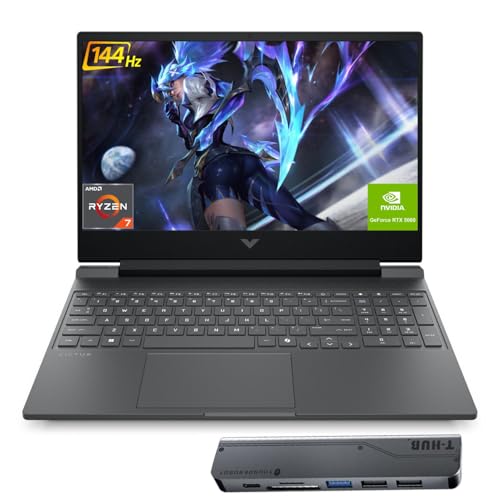
The Victus is the pick for players who want the published recommended memory figure without opening the case later. Its listing pairs an AMD Ryzen AI 7 350 processor with a dedicated GeForce RTX 5060, 32 GB of DDR5 memory and a 1 TB SSD, which covers the recommended line on memory and storage in one purchase. The 15.6-inch Full HD screen refreshes at 144Hz, and the chassis keeps a wired Ethernet port for a stable connection. It is a full-size gaming laptop rather than a slim travel machine, so it suits a desk-first setup that still moves between rooms.
Specs
- Processor: AMD Ryzen AI 7 350, up to 5.0 GHz as listed, 8 cores
- Graphics: NVIDIA GeForce RTX 5060, 8 GB GDDR7, dedicated
- Memory: 32 GB DDR5
- Storage: 1 TB SSD, PCIe x4 interface as listed
- Display: 15.6-inch, 1920 x 1080, 144Hz
- Keyboard: RGB backlit, as listed
- Networking: RJ-45 Ethernet port; bundled Thunderobot 7-in-1 USB-C hub as listed
- Operating system: Windows 11 Home
- Color and series: Black, TPN-Q279
Best for: Players who want the recommended 32 GB memory figure fitted from the factory.
Watch out for: Victus models share a name across many configurations, so confirm the RTX 5060, 32 GB and 1 TB combination on the listing before ordering.
ASIN: B0G1N8R9Z4
Lenovo Legion 5 Gen 10

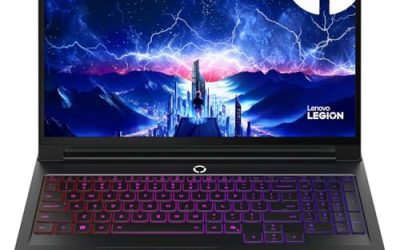
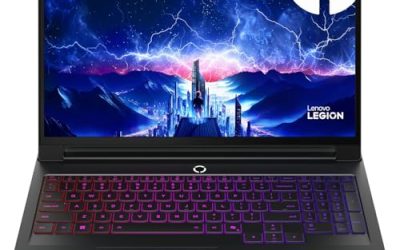
The Legion suits players who split their time between Returnal and work that benefits from a sharp screen. Its 15.1-inch WQXGA OLED panel runs at 2560 x 1600 with a 165Hz refresh and 500 nits as listed, well beyond the plain Full HD panels in this group. Underneath, the listing names a Ryzen 7 260 processor, an RTX 5060 Laptop GPU with 8 GB of GDDR7 memory, 16 GB of DDR5-5600 memory and a 1 TB PCIe Gen4 SSD. USB4, HDMI 2.1 and Ethernet cover desk connections, and the 24-zone RGB backlit keyboard is listed as standard.
Specs
- Processor: AMD Ryzen 7 260, 3.8 GHz up to 5.1 GHz as listed
- Graphics: NVIDIA GeForce RTX 5060 Laptop GPU, 8 GB GDDR7
- Memory: 16 GB DDR5-5600, SODIMM as listed
- Storage: 1 TB SSD M.2 2242 PCIe Gen4
- Display: 15.1-inch WQXGA OLED, 2560 x 1600, 500 nits, 165Hz, non-touch as listed
- Ports: USB4, HDMI 2.1, Ethernet (RJ-45), as listed
- Keyboard: 24-zone RGB backlit, as listed
- Operating system: Windows 11 Home
Best for: Players who want the strongest built-in display alongside a current dedicated graphics card.
Watch out for: Memory is 16 GB as shipped, which meets the published minimum rather than the 32 GB recommended figure; check the slot layout if you plan to add more later.
ASIN: B0FXMY8FYW
Acer Nitro V 15

The Nitro V 15 is built around its processor. The listing names a 13th Gen Intel Core i9-13900H, a chip that sits well above the published processor lines, paired with an RTX 4060 Laptop GPU and a 15.6-inch Full HD IPS screen running at 180Hz as listed. Memory starts at 16 GB of DDR5 across two slots with a 32 GB maximum as listed, and storage is a 1 TB PCIe Gen 4 SSD with a second M.2 slot named in the listing. Dual fans, Thunderbolt 4 and a backlit keyboard round out a machine aimed at gaming first, with clear upgrade paths.
Specs
- Processor: Intel Core i9-13900H, 13th Gen
- Graphics: NVIDIA GeForce RTX 4060 Laptop GPU, DLSS 3.5 as listed
- Memory: 16 GB DDR5, two slots, 32 GB maximum as listed
- Storage: 1 TB PCIe Gen 4 SSD, two M.2 slots as listed
- Display: 15.6-inch FHD IPS, 180Hz as listed
- Ports: Thunderbolt 4 USB-C, HDMI 2.1, Ethernet (RJ-45), as listed
- Cooling: dual fans as listed
- Operating system: Windows 11 Home
- Model: ANV15-51-99XD
Best for: Players who want processor headroom plus listed room to grow memory and storage.
Watch out for: It ships with 16 GB of memory, the published minimum, so reaching the recommended 32 GB means using the second slot the listing describes.
ASIN: B0D8JTYXQM
MSI Katana 15

The Katana is the straightforward full-size option in this group. Its listing combines an Intel Core i7-13620H processor with a GeForce RTX 4050 carrying 6 GB of GDDR6 memory, the same memory figure as the published minimum card, alongside 16 GB of DDR5-4800 memory and a 1 TB NVMe SSD. The 15.6-inch Full HD IPS screen refreshes at 144Hz, and the chassis keeps a USB Type-C port alongside the usual full-size connections. It covers the published minimum line on every point, making it the pick for players who want a dedicated card and a large drive without stepping up to the RTX 5060 machines.
Specs
- Processor: Intel Core i7-13620H, 13th Gen as listed
- Graphics: NVIDIA GeForce RTX 4050, 6 GB GDDR6
- Memory: 16 GB DDR5-4800, as listed
- Storage: 1 TB NVMe SSD
- Display: 15.6-inch Full HD IPS, 144Hz
- Ports: USB Type-C, as listed
- Operating system: Windows 11 Home
- Color and model: Black, B13VEK-277US
Best for: Players who want a full-size gaming laptop that meets the published minimum across the board.
Watch out for: The RTX 4050 sits at the published minimum class rather than the recommended RTX 2070 Super class, so plan on the game’s lower settings ranges.
ASIN: B0BZBN3857
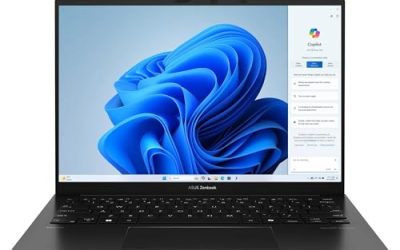
ASUS Zenbook 14 OLED

The Zenbook is the portability pick, and it needs an honest label. Its Radeon 780M graphics are integrated, sharing the 16 GB of LPDDR5X memory, while the published minimum for Returnal names a dedicated GeForce GTX 1060 with 6 GB of its own memory. This machine therefore sits below the published graphics line, and it is included for buyers whose first need is a light laptop: about 2.65 lbs as listed, a 14-inch WUXGA OLED touchscreen, a 75 Wh battery and a Ryzen 7 8840HS processor. Treat Returnal on it as a secondary use at lowered settings, not the reason to buy it.
Specs
- Processor: AMD Ryzen 7 8840HS, up to 5.1 GHz as listed
- Graphics: AMD Radeon 780M, integrated, 12 RDNA 3 compute units as listed
- Memory: 16 GB LPDDR5X, on board
- Storage: 512 GB M.2 NVMe PCIe 4.0 SSD
- Display: 14-inch WUXGA OLED touchscreen, 1920 x 1200 as listed
- Battery: 75 Wh, as listed
- Weight: about 2.65 lbs as listed
- Operating system: Windows 11 Home
- Color and model: Jade Black, UM3406HA-WS74T
Best for: Buyers who need a light everyday laptop first and accept lowered settings for this game.
Watch out for: The integrated graphics sit below the published minimum dedicated card, and the soldered memory cannot be raised toward the 32 GB recommended figure.
ASIN: B0DFWZ77LB
Which One Fits Your Situation
You Play at a Desk Most of the Time
Choose the HP Victus 15. It is the only pick here that ships with 32 GB of memory, matching the published recommended figure without an upgrade, and its 1 TB SSD swallows the 60 GB install easily. The wired Ethernet port keeps a desk connection stable, and the 144Hz screen suits the game’s pace. Pick it when the laptop lives on one desk and only occasionally travels.
You Want One Screen for Gaming, Work and Films
Choose the Lenovo Legion 5 Gen 10. Its 15.1-inch WQXGA OLED panel, listed at 2560 x 1600, 500 nits and 165Hz, is the sharpest display in this group, so text, spreadsheets and films look as good as the game. The RTX 5060 covers the graphics side, and USB4 plus HDMI 2.1 make a one-cable desk setup simple to arrange.
You Plan to Upgrade Memory and Storage Later
Choose the Acer Nitro V 15. The listing names two memory slots with a 32 GB maximum and two M.2 slots for storage, so the machine can grow from its 16 GB and 1 TB starting point toward the recommended memory figure. Its Core i9-13900H processor already sits well above the published lines, and the 180Hz screen is the fastest here.
You Carry Your Laptop All Day
Choose the ASUS Zenbook 14 OLED, with the graphics caveat kept in view. At about 2.65 lbs with a 75 Wh battery, it is far easier to carry than any gaming chassis here, and the OLED touchscreen suits everyday work. Its integrated graphics sit below the published minimum for this game, so it fits carriers who play occasionally at lowered settings, not players shopping mainly for Returnal.
Common Mistakes
- Buying a laptop with integrated graphics and expecting it to meet a published line that names a dedicated GeForce GTX 1060 with 6 GB of memory.
- Stopping at 16 GB of memory when the recommended line names 32 GB, then blaming the game for the shortfall.
- Installing the game on a mechanical hard drive when the publisher recommends an SSD from the minimum tier onward.
- Comparing graphics cards by name alone, without checking the memory figure printed beside the card on the listing.
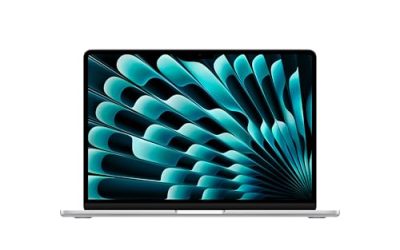
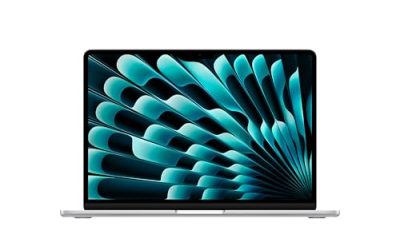
- Assuming a macOS edition exists because the game began on a console; the PC release is published for Windows only.
Frequently Asked Questions
Can I play Returnal on a Mac laptop?
No. The PC release of Returnal is published for Windows only, through Steam and the Epic Games Store, and no macOS edition has been released. The Steam page lists a single set of requirements, starting with Windows 10 64-bit version 1903. Every laptop in this guide runs Windows, so any of them can install the game, subject to the hardware checks covered above.
How much memory does Returnal ask for?
The published minimum is 16 GB of system memory, and the recommended line raises that to 32 GB. Four picks here ship with 16 GB, which meets the minimum. Only the HP Victus 15 ships with 32 GB fitted. The Acer Nitro V 15 lists two memory slots and a 32 GB maximum, so it can be raised to the recommended figure later.
Does Returnal need an SSD?
The game needs 60 GB of available space at both published tiers. At the minimum tier the Steam page adds a plain note that an SSD is recommended, and the fuller publisher specification lists an SSD outright from the medium tier upward. Every pick in this guide ships with an SSD of 512 GB or 1 TB, so each one covers the storage check as sold.
Is integrated graphics enough for Returnal?
The published minimum names dedicated cards, the GeForce GTX 1060 with 6 GB and the Radeon RX 580 with 8 GB. Integrated graphics such as the Radeon 780M in the Zenbook sit below that line and share system memory instead of carrying their own. That is why the Zenbook is framed as a portability pick for lowered settings, while the four dedicated-card machines match the published line directly.
More from Amazon
Programs that pair well with the guide above. Offers and eligibility are set by Amazon and may change.
A free business account with business pricing and bulk-buying tools for work, shop or home office.
Create a business accountFree shipping on eligible items, Prime Video and more. Eligible new members can start with a free trial.
Start a Prime free trialAudiobooks and podcasts to listen to on the go. Eligible new members can start with a free trial.
Try Audible freeAd-free music streaming. Eligible new subscribers can start with a free trial.
Try Music Unlimited freeAs an Amazon Associate we earn from qualifying purchases.
Write Your Review
No reviews yet. Be the first to share your experience!