
IL-2 Sturmovik: Great Battles is a home flight simulation, and the hardware decision starts with its published floor rather than with general gaming power. The Steam page asks for a graphics card with 4GB of video memory or better, 16 GB of system memory and 95 GB of storage, and it lists SteamVR support for players who fly with a headset. Integrated graphics sit below that published line, so the real choice is between dedicated-graphics laptops that clear it with room to spare and lighter machines bought for other work.
This guide serves screen-based pilots who want the full series on one machine, VR pilots building around SteamVR, and players who split time between the sim and everyday tasks. Every pick below was chosen from the names and specifications printed on its product listing, then matched against the published requirements, so the graphics card, memory and storage figures you see are the ones the sellers themselves state.
Quick Picks
As an Amazon Associate we earn from qualifying purchases
| Product | Best for | Key spec from title |
|---|---|---|
| HP Victus 15 | Clearing the full published line with headroom | RTX 5060 with 32GB DDR5 RAM |
| Lenovo Legion 5 Gen 10 | Reading fine cockpit instruments on screen | RTX 5060 with WQXGA OLED display |
| Acer Nitro V 15 | Growing memory and storage over time | RTX 4060 with 180Hz display |
| MSI Katana 15 | A first dedicated-graphics sim laptop | RTX 4050 with 1TB NVMe SSD |
| ASUS Zenbook 14 OLED | Light everyday laptop beside a desktop | Radeon 780M integrated graphics |
How to Choose
Start with the platform and the published requirements
IL-2 Sturmovik: Battle of Stalingrad, the entry point of the Great Battles series, publishes one requirements block on Steam, and it is Windows only: 64-bit Windows 10 or 11, with no macOS edition listed. The minimum line asks for an Intel Core i5 or i7 processor at 3 GHz or above, 16 GB of RAM, a graphics card with 4GB of video memory or better, DirectX 11 and 95 GB of available storage. The page also lists SteamVR support and recommends a DirectX-compatible flight stick. Every laptop below runs Windows 11, so each one starts on the right platform.
Match the graphics card and memory to the published line
The published floor names a graphics card with 4GB of video memory or better, and that single line does most of the sorting. The Victus, Legion, Nitro and Katana all carry dedicated NVIDIA cards with 6 GB or 8 GB of their own memory, so each clears the line on paper. The Zenbook relies on integrated Radeon 780M graphics, which share system memory instead of holding a separate pool, and sits below the published line. System memory matters alongside it: the published minimum is 16 GB, the mark every pick here meets, while the Victus doubles it to 32 GB.
Plan storage for the whole series, not one module
The published block asks for 95 GB of available space for the base game, and the Great Battles series grows well past that figure as theatres are added. Battle of Moscow, Battle of Kuban, Battle of Bodenplatte and Battle of Normandy each install their own maps, aircraft and campaigns under the same launcher, alongside collector planes and scripted campaigns. A 1 TB SSD, fitted to four of the five picks here, holds the base game and several modules with room left for Windows and other titles. The Zenbook carries 512 GB, so its owner should expect to manage space once a few theatres are installed.
Check the display, the ports and the cooling
A flight stick is the control the publisher recommends, and head tracking or a SteamVR headset adds more plugs, so count USB ports before choosing. The Legion lists USB4 and several USB-A ports, the Nitro lists Thunderbolt 4 beside three USB-A ports, and the Victus adds an RJ-45 socket for a wired connection. Screen size shapes long sessions too: the four gaming models use 15.6-inch or 15.1-inch panels, while the Zenbook uses a 14-inch screen. Lighter designs trim fan size and port counts, which is where smaller machines give ground: fewer sockets for controls and less cooling hardware under sustained load.
The 5 Best Options
HP Victus 15
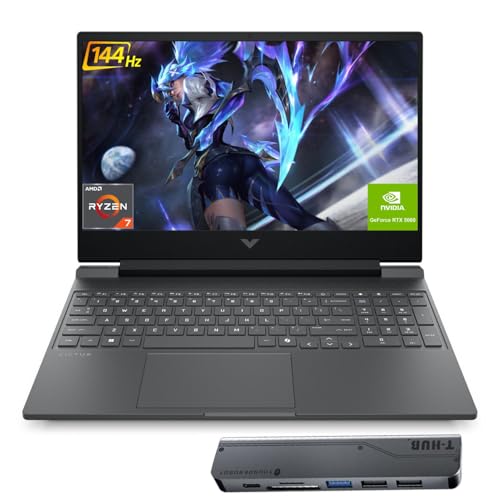
The Victus suits the pilot who wants the published line cleared with the widest margin in this group and room left over for the rest of the series. Its listing pairs an AMD Ryzen AI 7 350 processor with a dedicated NVIDIA GeForce RTX 5060, 32 GB of DDR5 memory and a 1 TB SSD, so the graphics, memory and storage figures all sit above the published minimums at once. The 15.6-inch 144Hz screen, the RJ-45 Ethernet socket and the bundled USB-C hub in the listing round out a desk setup built around a stick, pedals and a headset.
Specs
- Processor: AMD Ryzen AI 7 350, up to 5.0 GHz as listed
- Graphics: NVIDIA GeForce RTX 5060, dedicated
- Memory: 32 GB DDR5
- Storage: 1 TB SSD
- Display: 15.6-inch FHD 1920×1080, 144Hz
- Keyboard: RGB backlit
- Ports: RJ-45 Ethernet; bundled Thunderobot 7-in-1 USB-C hub as listed
- Operating system: Windows 11 Home
- Model: TPN-Q279, Black
Best for: Pilots who want one machine for the full Great Battles series plus VR through SteamVR.
Watch out for: The listing is a seller bundle with a hub included, so confirm the exact configuration on the page before ordering.
ASIN: B0G1N8R9Z4
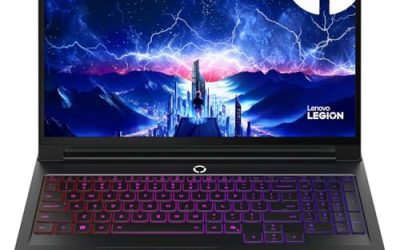
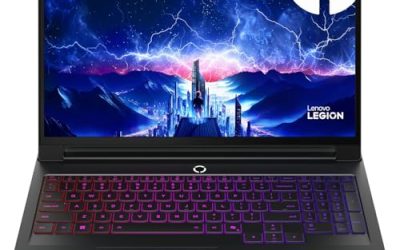
Lenovo Legion 5 Gen 10

The Legion fits the pilot who reads instruments closely and wants the sharpest panel in this group. Its listing names a 15.1-inch WQXGA OLED display at 2560×1600 with 500 nits, driven by an NVIDIA GeForce RTX 5060 Laptop GPU with 8 GB of GDDR7 memory, beside 16 GB of DDR5-5600 memory and a 1 TB SSD. That graphics memory doubles the published 4GB floor, and the port list runs long: USB4, HDMI 2.1 and Ethernet all appear, giving a stick, pedals and a headset somewhere to plug in.
Specs
- Processor: AMD Ryzen 7 260, 3.8 GHz up to 5.1 GHz as listed
- Graphics: NVIDIA GeForce RTX 5060 Laptop GPU, 8 GB GDDR7
- Memory: 16 GB DDR5-5600
- Storage: 1 TB SSD M.2 2242 PCIe Gen4 as listed
- Display: 15.1-inch WQXGA OLED 2560×1600, 500 nits, non-touch as listed
- Keyboard: 24-zone RGB backlit as listed
- Ports: USB4, HDMI 2.1, Ethernet (RJ-45) as listed
- Operating system: Windows 11 Home
Best for: Pilots who want the sharpest cockpit view on the built-in screen.
Watch out for: The OLED panel is glossy and non-touch as listed, so check your lighting and control preferences before ordering.
ASIN: B0FXMY8FYW
Acer Nitro V 15

The Nitro suits the pilot who wants a strong processor at the centre of the build. Its listing leads with an Intel Core i9-13900H, a chip well above the published Core i5 or i7 line, paired with an NVIDIA GeForce RTX 4060 Laptop GPU and a 15.6-inch FHD IPS screen running at 180Hz as listed. Memory starts at 16 GB of DDR5 across two slots with a 32 GB maximum, and storage is a 1 TB PCIe Gen 4 SSD with two M.2 slots, so both can grow as the series grows.
Specs
- Processor: Intel Core i9-13900H
- Graphics: NVIDIA GeForce RTX 4060 Laptop GPU with DLSS 3.5 as listed
- Memory: 16 GB DDR5, two slots, 32 GB maximum as listed
- Storage: 1 TB PCIe Gen 4 SSD, two M.2 slots as listed
- Display: 15.6-inch FHD IPS, 180Hz as listed
- Ports: Thunderbolt 4 USB Type-C, HDMI 2.1, Ethernet (RJ-45) as listed
- Wireless: Wi-Fi 6 as listed
- Cooling: dual fans as listed
- Operating system: Windows 11 Home
Best for: Pilots who want upgrade room in memory and storage as they add theatres.
Watch out for: The 180Hz figure comes from the listing title, so confirm the panel specification on the page before ordering.
ASIN: B0D8JTYXQM
MSI Katana 15

The Katana fits the pilot who wants a dedicated graphics card and a full-size screen while keeping the machine simple. Its listing names an Intel Core i7-13620H, an NVIDIA GeForce RTX 4050 with 6 GB of GDDR6 memory, 16 GB of DDR5 memory and a 1 TB NVMe SSD behind a 15.6-inch Full HD IPS panel at 144Hz. The graphics memory clears the published 4GB floor, the memory matches the published 16 GB line, and the storage gives the base game and its first add-on theatres room to install.
Specs
- Processor: Intel Core i7-13620H
- Graphics: NVIDIA GeForce RTX 4050, 6 GB GDDR6
- Memory: 16 GB DDR5-4800 as listed
- Storage: 1 TB NVMe SSD
- Display: 15.6-inch Full HD IPS, 144Hz
- Ports: USB Type-C as listed
- Operating system: Windows 11 Home
- Colour: Black, model B13VEK-277US
Best for: Pilots starting the series who want the published line met without extras.
Watch out for: Its 6 GB of graphics memory is the smallest pool among the dedicated picks here, so check the published line again before adding VR plans.
ASIN: B0BZBN3857
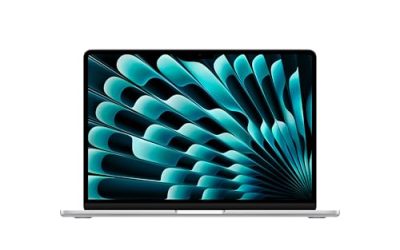
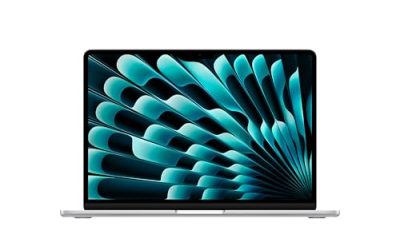
ASUS Zenbook 14 OLED

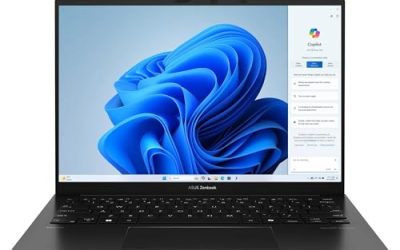
The Zenbook is the portability pick, and its limits need stating plainly. Its listing names an AMD Ryzen 7 8840HS with Radeon 780M integrated graphics, 16 GB of LPDDR5X memory and a 512 GB SSD inside a Jade Black body of about 2.82 lbs with a 14-inch WUXGA OLED touchscreen. Integrated graphics share system memory rather than holding the 4GB of dedicated video memory the published line asks for, so this machine sits below that line: it suits the player whose flying happens on another computer and who wants a light laptop for everything else.
Specs
- Processor: AMD Ryzen 7 8840HS, up to 5.1 GHz as listed
- Graphics: AMD Radeon 780M integrated, 12 RDNA 3 compute units as listed
- Memory: 16 GB LPDDR5X
- Storage: 512 GB PCIe 4.0 SSD as listed
- Display: 14-inch WUXGA OLED touchscreen, 1920×1200
- Wireless: Wi-Fi 6E as listed
- Battery: 75 Wh as listed
- Weight: about 2.82 lbs as listed
- Colour: Jade Black, model UM3406HA-WS74T
- Operating system: Windows 11 Home
Best for: Players who fly on a desktop and want a light everyday laptop beside it.
Watch out for: Its integrated graphics sit below the published 4GB video memory line, so do not buy it as your only machine for this series.
ASIN: B0DFWZ77LB
Which One Fits Your Situation
You fly with a SteamVR headset
The published page lists SteamVR support, and a headset asks more of the graphics card than a flat screen does. Start with the Victus or the Legion: both carry an RTX 5060 with 8 GB of GDDR7 memory as listed, double the published 4GB floor, and both give the headset, stick and pedals the ports they need. The Zenbook has no dedicated graphics memory and is not the VR route.
You plan to collect every theatre
Each Great Battles module installs under one launcher, and the published 95 GB for the base game is only the start. The four 1 TB picks hold the base game and several theatres together; the Nitro adds a second M.2 slot and memory slots as listed, so its storage and memory can grow later. The Zenbook and its 512 GB drive will feel full soonest.
You fly long career sessions at a desk
Career mode chains mission after mission, so cooling and screen size shape the session. The 15.6-inch gaming models here carry the larger fans and vents: the Nitro lists dual fans, and the Victus and Legion pair big panels with wired Ethernet sockets for stable multiplayer. Pick the Legion if the instrument panel matters most, since its listing names the highest resolution screen of the group.
You need one light laptop for travel and study
If the laptop must earn its place away from the sim, the Zenbook is the honest answer: about 2.82 lbs as listed, a 75 Wh battery and an OLED touchscreen for everyday work. Buy it knowing the trade: its integrated Radeon 780M sits below the published graphics line, so treat Great Battles as a game you play on a desktop at home, not on this machine.
Common Mistakes
- Buying a laptop with integrated graphics and expecting it to meet a published line that asks for 4GB of video memory or better.
- Planning storage around the base game alone, then running out of room when Moscow, Kuban and Bodenplatte join the same install.
- Counting only the stick when checking ports, and forgetting the pedals, throttle and head tracker that also need sockets.
- Choosing a thin everyday laptop for VR, when the published page ties its SteamVR support to a machine with dedicated graphics memory.
- Leaving the laptop on battery for long sessions instead of keeping it plugged in at the desk.
Frequently Asked Questions
Does IL-2 Sturmovik: Great Battles run on a Mac?
No. The Steam page for IL-2 Sturmovik: Battle of Stalingrad, the entry point of the Great Battles series, publishes a single requirements block for 64-bit Windows 10 or 11 and lists no macOS edition. Every laptop in this guide runs Windows 11, which is the platform the publisher supports, so a Mac buyer would need a different route entirely.
How much storage does the series need?
The published block asks for 95 GB of available space for Battle of Stalingrad. Each extra theatre, collector plane set and scripted campaign installs under the same launcher and adds its own maps and aircraft, so the total grows well past that figure. A 1 TB SSD, fitted to four picks here, is the comfortable starting point.
Can these laptops run the game in VR?
The Steam page lists SteamVR support and notes that a keyboard and mouse are required, with a DirectX-compatible flight stick recommended. VR belongs with the dedicated-graphics picks: the Victus and Legion list an RTX 5060 with 8 GB of GDDR7 memory, and the Nitro lists an RTX 4060. The Zenbook, with integrated graphics, is not a VR pick.
Is 16 GB of memory enough for this series?
It matches the published minimum, which names 16 GB of RAM, and four of the five picks here ship with exactly that figure. The Victus lists 32 GB, which leaves more headroom for the sim, a browser of squadron notes and voice chat at once. The Nitro also lists memory slots and a 32 GB maximum, so its memory can grow later.
More from Amazon
Programs that pair well with the guide above. Offers and eligibility are set by Amazon and may change.
A free business account with business pricing and bulk-buying tools for work, shop or home office.
Create a business accountFree shipping on eligible items, Prime Video and more. Eligible new members can start with a free trial.
Start a Prime free trialAudiobooks and podcasts to listen to on the go. Eligible new members can start with a free trial.
Try Audible freeAd-free music streaming. Eligible new subscribers can start with a free trial.
Try Music Unlimited freeAs an Amazon Associate we earn from qualifying purchases.
Write Your Review
No reviews yet. Be the first to share your experience!