
Miasma Chronicles is a turn-based tactical adventure from The Bearded Ladies, the team behind Mutant Year Zero, and its published requirements ask for a dedicated graphics card rather than integrated graphics. That single line shapes the whole purchase: the minimum names a GTX 970 class card, and the recommended tier names a GTX 1070 class card, with memory rising from 8 GB to 16 GB between the two tiers. So the real decision is how far above that published graphics and memory line you want to sit.
This guide serves players who want a first gaming laptop for tactical titles, players replacing an older machine whose card falls under the published minimum, and players who split time between home and travel and need honest weight figures. Every pick below comes from the names and specifications printed on the product listings, checked against the published requirements, so each machine is judged on the figures its own listing states rather than on family reputation.
Quick Picks
As an Amazon Associate we earn from qualifying purchases
| Product | Best for | Key spec from title |
|---|---|---|
| HP Victus 15 | A home desk setup wanting memory headroom | RTX 5060 with 32GB DDR5 RAM |
| Lenovo Legion 5 Gen 10 | A sharp OLED panel at a desk | WQXGA OLED 500nits display |
| Acer Nitro V 15 | Fast panel plus room to add storage | 15.6″ FHD IPS 180Hz display |
| MSI Katana 15 | The recommended memory figure on a plainer chassis | NVIDIA GeForce RTX 4050 |
| ASUS Zenbook 14 OLED | Carrying the laptop every day | AMD Radeon 780M graphics |
How to Choose
Platform and the Published Requirements
Steam publishes one requirements block for Miasma Chronicles, and it covers Windows only: no macOS block and no Linux block appear, so there is no native Mac edition. The minimum tier asks for Windows 10 or newer, an Intel Core i5-4590 or AMD FX 8350, 8 GB of memory, a GTX 970, Radeon R9 290 or Intel Arc A380, and 30 GB of storage, with the note “SSD (Preferred)” as published. The recommended tier keeps the same operating system and storage figures, raises memory to 16 GB, names a GTX 1070, RX Vega 56 or Arc A750, and gives its processor line in generic wording: “Intel Core i7 or AMD Ryzen 7”.
Graphics Cards Against the Published Line
Every card the publisher names at either tier is a dedicated card, so judge each pick by the dedicated card its listing names. The Victus and the Legion 5 both list an RTX 5060, and the Legion listing prints its video memory plainly at 8 GB GDDR7, while the Victus listing prints no video-memory figure at all. The Nitro V 15 lists an RTX 4060 and likewise prints no video-memory figure. The Katana 15 lists an RTX 4050 with 6 GB GDDR6 in its bullet text, the smallest dedicated figure in this group. The Zenbook’s Radeon 780M is integrated graphics, and it sits below the published line, which names dedicated cards at both tiers.
Memory and Storage Against the Published Line
The published memory line runs from 8 GB at minimum to 16 GB at the recommended tier. Four of these five listings sit exactly on the recommended figure with 16 GB fitted, and the Victus doubles it with 32 GB as listed. The Zenbook’s 16 GB is LPDDR5X on board, so it cannot be raised later, while the Nitro listing names two memory slots and a 32 GB maximum. Storage is simpler: the game asks for 30 GB, the published note reads “SSD (Preferred)” at both tiers, and every pick here lists an SSD, from the Zenbook’s 512 GB drive to the 1 TB drives in the other four.
Display, Weight and Where Machines Cut Back
Panel figures separate these five quickly. The Legion 5 lists a 15.1-inch WQXGA OLED at 2560×1600, the Nitro a 15.6-inch FHD IPS panel at 180Hz as listed, and the Victus and Katana 15.6-inch FHD panels at 144Hz as listed, while the Zenbook lists a 14-inch WUXGA OLED at 1920×1200. Weight runs the other way: the Zenbook lists about 2.65 lbs and the Nitro 4.66 lbs as listed, while the Legion’s printed item weight of 7.09 pounds and the Victus’s printed 10 pounds read high for their class. Cheaper machines in this group cut back on panel resolution, memory headroom and storage expansion first.
The 5 Best Options
HP Victus 15
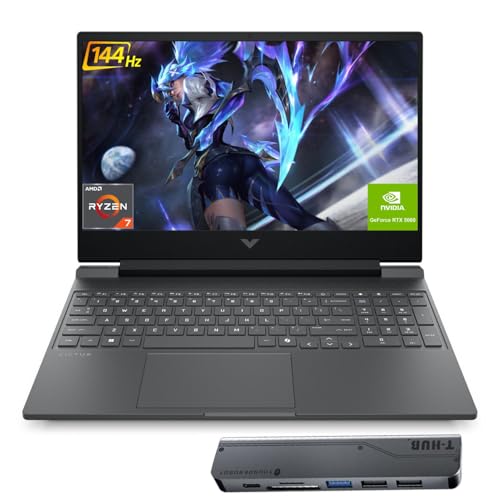
The Victus fits the player who wants memory headroom above the published line and a full-size machine for a home desk. Its listing names an RTX 5060 dedicated card, which answers the game’s dedicated-graphics wording, and its 32 GB of DDR5 as listed doubles the 16 GB recommended figure, leaving room for the game alongside other open programs. The 1 TB SSD covers the 30 GB the game asks for many times over, and the listing bundles a Thunderobot 7-in-1 USB-C hub. Read the Watch out for line before ordering, because this listing leaves one graphics figure unprinted.
Specs
- Processor: AMD Ryzen AI 7 350, up to 5.0 GHz as listed
- Graphics: NVIDIA GeForce RTX 5060, dedicated; the listing prints no video-memory figure
- Memory: 32 GB DDR5 at 4800 MHz as listed
- Storage: 1 TB SSD, PCIe x4 interface as listed
- Display: 15.6-inch FHD 1920×1080 IPS, 144Hz as listed
- Keyboard: RGB backlit keyboard as listed
- Ports: RJ-45 Ethernet; bundled Thunderobot 7-in-1 USB-C hub as listed
- Operating system: Windows 11 Home
- Colour: Black; series TPN-Q279 as listed
Best for: A home desk setup that wants double the recommended memory figure
Watch out for: The listing does not print the RTX 5060 video-memory figure, and its printed item weight of 10 pounds reads high for the class, so confirm the exact configuration before ordering.
ASIN: B0G1N8R9Z4
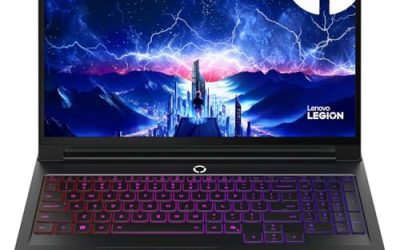
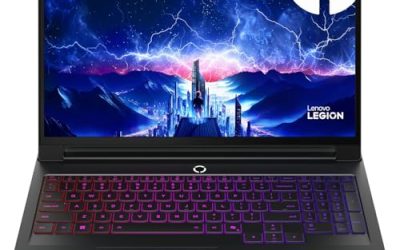
Lenovo Legion 5 Gen 10

The Legion 5 fits the player who cares most about the screen and wants every published figure met on one listing. Its RTX 5060 Laptop GPU is printed with 8 GB of GDDR7 video memory, its 16 GB of DDR5-5600 matches the recommended memory figure exactly, and its 1 TB SSD answers the storage line with room to spare. The 15.1-inch WQXGA OLED panel at 2560×1600 and 500 nits as listed is the sharpest display in this group, which suits a turn-based game spent reading a detailed battlefield. This is the desk-first pick of the five.
Specs
- Processor: AMD Ryzen 7 260, 3.80 GHz up to 5.10 GHz as listed
- Graphics: NVIDIA GeForce RTX 5060 Laptop GPU, 8 GB GDDR7 as listed
- Memory: 16 GB DDR5-5600 SODIMM, 32 GB maximum as listed
- Storage: 1 TB SSD M.2 2242 PCIe Gen4 TLC as listed
- Display: 15.1-inch WQXGA OLED 2560×1600, 500 nits, non-touch, 165Hz as listed
- Keyboard: 24-zone RGB backlit keyboard as listed
- Ports: USB4, HDMI 2.1 and Ethernet (RJ-45) as listed
- Battery: 80 Wh as listed
- Operating system: Windows 11 Home
- Item weight: 7.09 pounds as listed
Best for: A desk setup that wants the sharpest listed panel and a printed video-memory figure
Watch out for: The printed item weight of 7.09 pounds reads high for a 15.1-inch machine, so check the weight on the listing if you plan to carry it often.
ASIN: B0FXMY8FYW
Acer Nitro V 15

The Nitro V 15 fits the player who wants a fast panel and upgrade room in a mid-weight chassis. Its listing names an Intel Core i9-13900H and an RTX 4060 Laptop GPU, a dedicated card above the generations the publisher names at both tiers, and its 15.6-inch FHD IPS panel runs at 180Hz as listed, the highest refresh figure here. Memory is 16 GB as listed, matching the recommended figure, and the listing names two memory slots with a 32 GB maximum plus two M.2 slots around the 1 TB PCIe Gen 4 SSD, so both figures can grow later.
Specs
- Processor: Intel Core i9-13900H
- Graphics: NVIDIA GeForce RTX 4060 Laptop GPU; the listing prints no video-memory figure
- Memory: 16 GB DDR5, two slots, 32 GB maximum as listed
- Storage: 1 TB PCIe Gen 4 SSD, two M.2 slots as listed
- Display: 15.6-inch FHD IPS, 180Hz as listed
- Connectivity: Thunderbolt 4, Wi-Fi 6 and Ethernet (RJ-45) as listed
- Cooling: dual fans as listed
- Keyboard: backlit keyboard as listed
- Operating system: Windows 11 Home
- Weight: 4.66 lbs as listed
Best for: A player who wants the highest listed refresh figure and slots for later upgrades
Watch out for: The listing does not print the RTX 4060 video-memory figure, so confirm that figure for the exact ANV15-51-99XD configuration before ordering.
ASIN: B0D8JTYXQM
MSI Katana 15

The Katana 15 fits the player who wants the recommended memory figure and a dedicated card in a plainer 15.6-inch chassis. Its bullet text names an RTX 4050 with 6 GB of GDDR6, its 16 GB of DDR5-4800 matches the recommended memory figure, and its 1 TB NVMe SSD covers the storage line easily. Be clear about its place in this group, though: its card is the smallest dedicated figure listed here, sitting at the lower end against the GTX 1070 class the publisher names at the recommended tier, so treat it as the minimum-tier end of these five rather than the headroom pick.
Specs
- Processor: Intel Core i7-13620H
- Graphics: NVIDIA GeForce RTX 4050, 6 GB GDDR6 per the listing bullet text
- Memory: 16 GB DDR5-4800
- Storage: 1 TB NVMe SSD
- Display: 15.6-inch Full HD IPS, 144Hz, 1920×1080 as listed
- Ports: USB Type-C as listed
- Operating system: Windows 11 Home
- Colour: Black; model B13VEK-277US
Best for: A player who wants 16 GB of memory and a dedicated card in a plain chassis
Watch out for: The listing’s technical-details table prints a 16 GB graphics-memory figure that conflicts with the 6 GB GDDR6 in its own bullet text, so go by the bullet text and confirm before ordering.
ASIN: B0BZBN3857
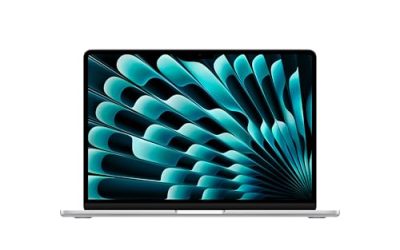
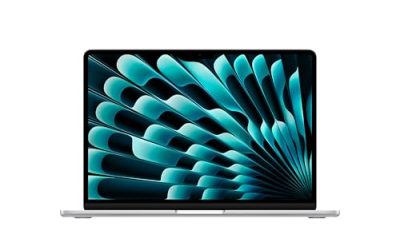
ASUS Zenbook 14 OLED

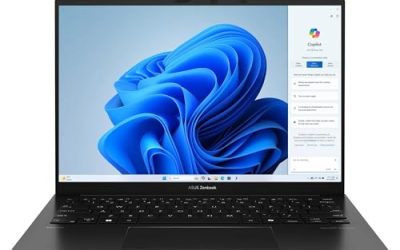
The Zenbook is the portability pick, and it needs an honest frame: its Radeon 780M is integrated graphics, which sits below the published line for this game, because that line names dedicated cards at both tiers, from the GTX 970 and Arc A380 upward. It is here for the player who carries a laptop daily, plays lighter titles, and accepts modest settings as the trade. In return it lists about 2.65 lbs, a 14-inch WUXGA OLED panel, a 75 Wh battery and 16 GB of LPDDR5X, which matches the recommended memory figure even though the graphics wording does not.
Specs
- Processor: AMD Ryzen 7 8840HS, up to 5.1 GHz as listed
- Graphics: AMD Radeon 780M, integrated
- Memory: 16 GB LPDDR5X, on board
- Storage: 512 GB M.2 NVMe PCIe 4.0 SSD
- Display: 14-inch WUXGA OLED 1920×1200, touchscreen as listed
- Battery: 75 Wh as listed
- Connectivity: Wi-Fi 6E as listed
- Weight: about 2.65 lbs
- Colour: Jade Black; model UM3406HA-WS74T
- Operating system: Windows 11 Home
Best for: A daily carry laptop for lighter titles, with modest settings accepted for this one
Watch out for: The integrated graphics carry no separate video memory and sit below the published line, and the listing describes a touchscreen while the maker’s spec sheet for this model lists a non-touch panel, so confirm the panel before ordering.
ASIN: B0DFWZ77LB
Which One Fits Your Situation
Playing at Home on a Desk Most Nights
Pick the Legion 5 Gen 10. Its listing prints the full set of figures this game asks about: an RTX 5060 with 8 GB of GDDR7 video memory, 16 GB of DDR5-5600 matching the recommended memory figure, a 1 TB SSD, and the sharpest panel here, a 15.1-inch WQXGA OLED at 2560×1600. Weight matters least in this situation, which is just as well, because its printed item weight reads high for the class.
Splitting Time Between Home and Travel
Look at the Nitro V 15 first, since it lists 4.66 lbs with a dedicated RTX 4060 and a 180Hz panel. If every gram counts and your library leans light, the Zenbook lists about 2.65 lbs, but hold its caveat in view: its integrated Radeon 780M sits below the published line for this game, which names dedicated cards at both tiers, so it is the modest-settings option only.
Replacing an Older Machine Under the Minimum Line
Choose the Victus 15 or the Nitro V 15. Both list dedicated cards from newer generations than the GTX 970 the minimum names, both list 16 GB or more of memory, and both list a 1 TB SSD against the 30 GB the game asks for. The Victus adds 32 GB of memory as listed and a bundled hub; the Nitro adds a second M.2 slot and a 32 GB memory maximum for later.
Wanting Memory Headroom for More Than the Game
Take the Victus 15. Its listing states 32 GB of DDR5, double the 16 GB the recommended tier names, which leaves room for the game alongside a browser, chat and other programs without swapping parts. The other dedicated-card picks here list 16 GB, which meets the recommended figure exactly but leaves less spare capacity, and the Zenbook’s memory is on board and cannot be raised at all.
Common Mistakes
- Buying an ultrabook with integrated graphics against a published line that names dedicated cards at both tiers, then expecting the recommended settings.
- Reading the recommended processor line as one specific chip, when the publisher prints it in generic wording: “Intel Core i7 or AMD Ryzen 7”.
- Ignoring the published “SSD (Preferred)” note and installing the game on a mechanical hard drive instead of the SSD every pick here lists.
- Trusting a listing’s technical-details table over its own bullet text, as with the Katana’s conflicting graphics-memory figures.
- Ordering a Victus or Nitro configuration without confirming the video-memory figure, because those listings do not print it.
Frequently Asked Questions
Does Miasma Chronicles run on a Mac?
No native Mac edition is published. The Steam store page carries a single requirements block, and it covers Windows only, asking for Windows 10 or newer; no macOS block and no Linux block appear alongside it. Every pick in this article is therefore a Windows laptop, and the game should be planned as a Windows purchase from the start.
How much storage does the game need?
The published block asks for 30 GB of available space at both the minimum and recommended tiers, and both tiers carry the additional note “SSD (Preferred)” exactly as published. Every pick here lists an SSD well above that figure, from 512 GB in the Zenbook to 1 TB in the other four machines, so storage space itself is not the deciding factor.
Is integrated graphics enough for the published line?
The published line names dedicated cards at both tiers: a GTX 970, Radeon R9 290 or Intel Arc A380 at minimum, and a GTX 1070 class card at the recommended tier. The Zenbook’s integrated Radeon 780M therefore sits below that wording. It is included as the light carry option for modest settings, not as a machine that meets the line as published.
What memory figure should I aim for?
Aim for the recommended figure of 16 GB. The published minimum is 8 GB, and the recommended tier raises it to 16 GB. Four picks here list exactly 16 GB, the Victus lists 32 GB for extra headroom, and the Zenbook’s 16 GB is on board, so check whether a listing’s memory can be raised later if that matters to you.
More from Amazon
Programs that pair well with the guide above. Offers and eligibility are set by Amazon and may change.
A free business account with business pricing and bulk-buying tools for work, shop or home office.
Create a business accountFree shipping on eligible items, Prime Video and more. Eligible new members can start with a free trial.
Start a Prime free trialAudiobooks and podcasts to listen to on the go. Eligible new members can start with a free trial.
Try Audible freeAd-free music streaming. Eligible new subscribers can start with a free trial.
Try Music Unlimited freeAs an Amazon Associate we earn from qualifying purchases.
Write Your Review
No reviews yet. Be the first to share your experience!