
The Count Lucanor asks very little of a laptop on paper, so the hardware itself is rarely the hard part of this purchase. The real decision is which published edition you trust: the Mac block printed on the store page dates from the OS X Yosemite and El Capitan era and names no processor at all, while the Windows block still lists Windows XP at minimum. Every current machine clears these figures easily, which shifts the choice toward platform, screen and what else the laptop must handle.
This guide serves three kinds of buyer: Mac owners who want the native edition in a light machine, Windows players who prefer a slim laptop with an OLED panel, and gamers whose library runs far beyond one pixel-art adventure. The five picks are the MacBook Air 13 and 15 with the M4 chip, the Snapdragon-powered Yoga Slim 7x, the Zenbook 14 OLED and the Victus 15 gaming laptop with dedicated graphics.
Quick Picks
As an Amazon Associate we earn from qualifying purchases
| Product | Best for | Key spec from title |
|---|---|---|
| Apple MacBook Air 13 (M4) | The lightest route to the native Mac edition | M4 chip with 16GB unified memory |
| Apple MacBook Air 15 (M4) | A larger screen for long sessions at home | 15.3-inch Liquid Retina display |
| Lenovo Yoga Slim 7x | Windows in a slim body with generous storage | Snapdragon X Elite with 1TB SSD |
| ASUS Zenbook 14 OLED | Deep blacks for the candle-lit castle scenes | 14-inch WUXGA OLED display |
| HP Victus 15 | A gaming laptop that covers heavier titles too | GeForce RTX 5060 graphics |
How to Choose
Read the Published Blocks Exactly as Printed
Start with the store page itself, because this game’s blocks have gaps that summaries tend to fill in. Windows asks for a Core 2 Duo, 2 GB of memory and Intel HD 3000 graphics at minimum, rising to a “Core i3, i5, i7” processor line, 4 GB of memory and a “Dedicated GPU supporting OpenGL2” at recommended. The Mac tiers print no processor line at all, and no platform prints a DirectX line. The Linux block adds a notes line about video decoding. Quote the page, not a mirror.
Choose the Edition Before the Hardware
The platform call matters more than any component here. The published Mac minimum names OS X Yosemite and the recommended tier names OS X El Capitan, wording from the middle of the last decade, and the page prints no Catalina notice and no exclusion of current Apple processors. The Windows block is older still, opening at Windows XP, yet a footnote on the same page states that the Steam client itself supports only Windows 10 and later. Decide which edition you will install first, then pick the machine that runs that edition natively.
Memory and Storage Are Not the Bottleneck
The published figures are tiny by current standards: 2 GB of memory at minimum, 4 GB at recommended, and 512 MB of storage on every platform. Each pick in this guide carries 16 GB or more and at least 256 GB of storage, so headroom is not the question. The practical check is flexibility. The two MacBook Air models and the Yoga Slim 7x fix their memory and storage at purchase, while the Victus 15 is a conventional gaming chassis. Buy the configuration you will still want in three years.
Screen and Weight for a Dark Pixel-Art Game
Much of this adventure plays out in dim castle rooms lit by candles your character places on the ground, so panel type shapes the experience more than raw power does. The Zenbook’s OLED panel and the two Liquid Retina displays render those dark scenes with strong contrast, while the Victus offers a larger 15.6-inch 144Hz panel built for faster games. Weight spreads from 2.73 pounds for the smaller Air to the Victus, the one machine here you would rather leave on a desk.
The 5 Best Options
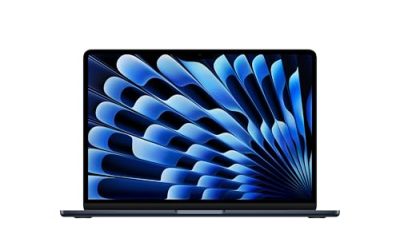
Apple MacBook Air 13 (M4)

This is the straightforward pick for the native Mac edition: Apple’s own silicon, a silent fanless body and the lightest chassis in the guide at 2.73 pounds. Set it against the published Mac block honestly — that block is Yosemite and El Capitan wording, prints an “Integrated GPU supporting OpenGL2” line at minimum and names no processor in either tier — and the M4 machine sits far beyond anything the page describes. The fixed 256 GB of storage is the one figure to weigh before ordering.
Specs
- Apple M4 chip
- 13.6-inch Liquid Retina display
- 16GB unified memory
- 256GB SSD storage
- 12MP Center Stage camera
- Touch ID
- Midnight finish
- 2.73 pounds
- Model MW123LL/A
Best for: Mac players who want the native edition in the lightest possible bag.
Watch out for: Memory and storage are fixed in this configuration, so confirm the 256GB SSD on the listing covers your wider library before ordering.
ASIN: B0DZD9S5GC
Apple MacBook Air 15 (M4)

Choose this one when the game will mostly be played at home and screen size matters more than the last half pound of portability. The 15.3-inch Liquid Retina panel gives the pixel art and the castle’s darker rooms more room to breathe than the 13-inch model, and the listing doubles the storage to 512 GB. It runs the same native Mac edition under the same published block, with its Yosemite-era minimum wording and its missing processor line, and the M4 chip clears that printed bar with the same wide margin.
Specs
- Apple M4 chip with 10-core CPU and 10-core GPU as listed
- 15.3-inch Liquid Retina display, 2880×1864
- 16GB unified memory
- 512GB SSD storage
- 12MP Center Stage camera
- Touch ID
- Up to 18 hours of battery life as listed
- Two Thunderbolt 4 ports and MagSafe charging
- Wi-Fi 6E
- Midnight finish
- 3.3 pounds
Best for: Home players who want the native Mac edition on a bigger screen.
Watch out for: The configuration is fixed at purchase, so check the 16GB and 512GB pairing on the listing is the one you want to keep.
ASIN: B0DZD9VLQ4
Lenovo Yoga Slim 7x

The Yoga Slim 7x is the Windows entry for buyers who like the Air’s slim shape but live in a Windows library. Its Snapdragon X Elite processor runs Windows 11 Pro in its ARM edition, so the game’s standard Windows build reaches it through the built-in translation layer rather than a native ARM build — worth knowing, and no obstacle for a title whose published Windows minimum is a Core 2 Duo with Intel HD 3000 graphics. You also get the largest storage in this guide and a sharp OLED touch panel.
Specs
- Snapdragon X Elite X1E-78-100, 12 cores, up to 3.4 GHz
- Integrated Qualcomm Adreno graphics
- 32GB LPDDR5X memory, soldered
- 1TB SSD, M.2 2242 PCIe Gen4
- 14.5-inch 3K OLED touch display, 2944×1840, 90Hz
- 70Wh battery
- Wi-Fi 7
- Windows 11 Pro 64 ARM
- 2.82 pounds
- Cosmic Blue finish
Best for: Windows players who travel light and want a large SSD in a slim body.
Watch out for: This is a Windows on ARM machine, so older Windows software runs through translation; also confirm you are happy with soldered memory that cannot be changed later.
ASIN: B0FBMMMMWX
ASUS Zenbook 14 OLED

For the Windows edition in a conventional x86 laptop, the Zenbook pairs a Ryzen 7 processor with an OLED panel that suits a game built around darkness and candlelight. Its integrated Radeon 780M graphics sit outside the wording of the recommended tier, which asks for a “Dedicated GPU supporting OpenGL2”, so treat this as the portability-and-screen pick rather than a literal match for that line. Against the minimum tier’s Intel HD 3000 baseline the machine is comfortably specified, and at about 2.82 pounds it travels as easily as the Macs.
Specs
- AMD Ryzen 7 8840HS, up to 5.1 GHz as listed
- Integrated Radeon 780M graphics with 12 RDNA 3 compute units as listed
- 16GB LPDDR5X memory
- 512GB Gen 4 SSD
- 14-inch WUXGA OLED touchscreen, 1920×1200, as listed
- 500-nit peak HDR brightness and 100% DCI-P3 as listed
- 75Wh battery, up to 17 hours as listed
- About 2.82 pounds
- Jade Black finish
- Windows 11 Home
- Bundled Mytrix wireless headset
Best for: Windows players who put the OLED screen and light weight first.
Watch out for: The listing describes a touchscreen while the maker’s spec sheet for this model line lists a non-touch panel, and one listing bullet mentions up to 2TB of SSD storage while this configuration ships 512GB — confirm both points on the page before ordering.
ASIN: B0DFWZ77LB
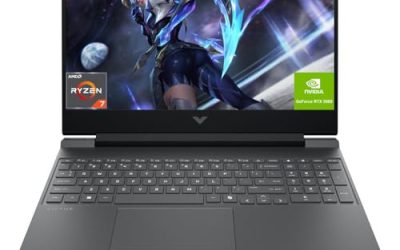
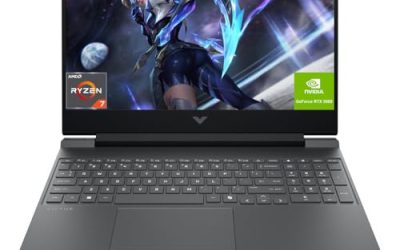
HP Victus 15
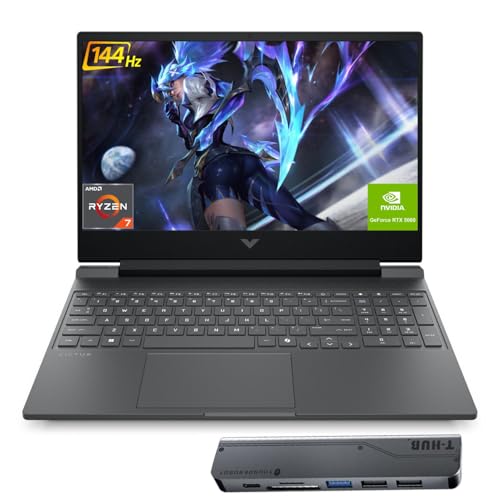
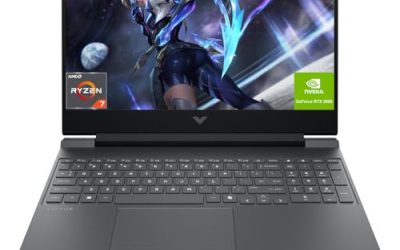
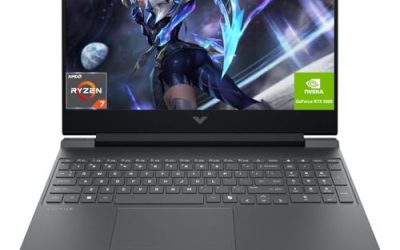
The Victus is the pick for buyers whose library extends well past this one adventure. Its dedicated GeForce RTX 5060 is the only graphics hardware here that matches the recommended tier’s dedicated-GPU wording outright, and the 15.6-inch 144Hz panel, full-size keyboard feel and Ethernet port suit long desk sessions across many genres. For The Count Lucanor alone it is far more machine than the published block describes — the Windows minimum is a Core 2 Duo — but as a general gaming laptop it is the most versatile chassis in the guide.
Specs
- AMD Ryzen AI 7 350, up to 5.0 GHz as listed
- NVIDIA GeForce RTX 5060 graphics, with no graphics-memory figure printed in the listing
- 32GB DDR5 memory
- 1TB SSD
- 15.6-inch FHD 144Hz display
- RGB backlit keyboard
- RJ-45 Ethernet port
- Bundled Thunderobot 7-in-1 USB-C hub
- Windows 11 Home
- Black finish
Best for: Gamers who want one laptop that covers this title and far heavier ones.
Watch out for: The listing names the RTX 5060 without printing a graphics-memory figure, and its 10-pound item weight reads as a packaged figure rather than the laptop alone — verify the configuration details on the page before ordering.
ASIN: B0G1N8R9Z4
Which One Fits Your Situation
You Want the Native Mac Edition in the Lightest Bag
Take the MacBook Air 13. At 2.73 pounds it is the easiest machine here to carry daily, it runs the Mac edition natively, and its M4 chip sits far beyond the game’s printed Mac block, which names no processor and dates from the Yosemite era. The single compromise is the fixed 256GB SSD, so it fits players whose game library stays modest or lives on external storage.
You Play at Home and Want the Bigger Panel
The MacBook Air 15 suits sofa and desk play, where its 15.3-inch Liquid Retina screen shows the castle’s dim rooms at a more comfortable size. It keeps the same silent, fanless design as its smaller sibling and doubles the storage to 512GB, which removes the one compromise the 13-inch model asks you to accept. Pick it when the laptop will rarely leave the house.
Your Library Is Windows but You Still Travel Light
The Yoga Slim 7x gives you Windows in a 2.82-pound body with a 1TB SSD and an OLED touch display. Remember that its Snapdragon processor runs the Windows edition through translation rather than natively, which is a reasonable trade for a title with a Core 2 Duo minimum. It fits players who value battery-friendly slim hardware and mostly play older or lighter Windows games.
This Game Is One Stop in a Much Heavier Library
Choose the Victus 15 when The Count Lucanor shares the drive with demanding modern titles. Its dedicated RTX 5060 graphics, 144Hz panel and 1TB SSD make it the only pick here bought for everything else you play, with this adventure as an easy extra. The trade is size: it is a desk-first machine, and the other four picks all travel better.
Common Mistakes
- Reading the printed Windows XP minimum as a current requirement, when the same store page notes the Steam client itself supports only Windows 10 and later.
- Assuming the Mac block names a processor — both Mac tiers print no processor line at all, so there is nothing to match a chip against.
- Following mirror pages that print heavier invented requirement blocks instead of the figures on the game’s own store page.
- Ordering a MacBook Air or Yoga Slim 7x configuration without checking memory and storage, since both are fixed at purchase and cannot be changed afterward.
- Treating the Linux block’s ffmpeg notes line as a Windows or Mac requirement; it belongs only to the Linux tiers.
Frequently Asked Questions
What are the game’s published system requirements?
The Windows minimum lists Windows XP, a Core 2 Duo, 2 GB of memory, Intel HD 3000 graphics and 512 MB of storage, with a recommended tier of Windows 7, a “Core i3, i5, i7” processor line, 4 GB of memory and a “Dedicated GPU supporting OpenGL2”. The Mac tiers ask for OS X Yosemite and El Capitan with the same memory and storage figures.
Does the Mac edition name a processor I need to match?
No. Both published Mac tiers print no processor line at all — the minimum lists OS X Yosemite, 2 GB of memory and an “Integrated GPU supporting OpenGL2” graphics line, while the recommended tier moves to El Capitan and 4 GB with a dedicated-GPU line. That wording dates from the Intel era, and the page prints no exclusion of current Apple processors.
Why is there no DirectX line in the requirements?
Because the store page prints none, on any platform. The graphics lines use OpenGL wording instead: integrated graphics supporting OpenGL2 at minimum and a dedicated GPU supporting OpenGL2 at recommended, with the Windows minimum naming Intel HD 3000 specifically. The Linux block adds a notes line stating that decoding video cutscenes requires ffmpeg 2.x, which applies only to that platform.
Is this game part of the Yuppie Psycho series?
No. Baroque Decay also made Yuppie Psycho, but that is a different standalone game with its own store page and its own published requirements. The Count Lucanor is a separate pixel-art horror adventure about a boy named Hans exploring Tenebre Castle, and the picks in this guide were checked against its requirements block alone.
More from Amazon
Programs that pair well with the guide above. Offers and eligibility are set by Amazon and may change.
A free business account with business pricing and bulk-buying tools for work, shop or home office.
Create a business accountFree shipping on eligible items, Prime Video and more. Eligible new members can start with a free trial.
Start a Prime free trialAudiobooks and podcasts to listen to on the go. Eligible new members can start with a free trial.
Try Audible freeAd-free music streaming. Eligible new subscribers can start with a free trial.
Try Music Unlimited freeAs an Amazon Associate we earn from qualifying purchases.
Write Your Review
No reviews yet. Be the first to share your experience!