
Starcom: Nexus publishes one of the smallest requirement blocks on Steam: a single minimum tier for Windows and the same tier again for SteamOS and Linux, with no recommended tier and no Mac block. That shape changes the buying decision. There is no higher published target to aim at, so the real questions are whether a laptop clears the listed Intel Core i5 2.2 GHz+, 4 GB of memory and 2 GB Direct3D 11 capable graphics lines with room to spare, and whether its storage and screen suit a long exploration game.
This guide is for players returning to the 2019 original after its Early Access start, and for newcomers who want a machine for ship building, research and anomaly hunting. Every pick below runs Windows 11, clears each published line on paper, and was chosen from the names and figures printed on its own product page, from the RTX 5060 graphics in the Victus 15 and Legion 5 to the OLED touchscreen in the Zenbook 14.
Quick Picks
As an Amazon Associate we earn from qualifying purchases
| Product | Best for | Key spec from title |
|---|---|---|
| HP Victus 15 | A bundled desk setup with wired networking | NVIDIA GeForce RTX 5060 graphics |
| Lenovo Legion 5 Gen 10 | Docked play on a high-resolution OLED panel | RTX 5060 Laptop GPU with 8 GB GDDR7 |
| Acer Nitro V 15 | A large library kept on internal storage | Intel Core i9-13900H processor |
| MSI Katana 15 | A straightforward dedicated-graphics machine | RTX 4050 with 6 GB GDDR6 |
| ASUS Zenbook 14 OLED | Carrying the game between rooms and trips | 14-inch WUXGA OLED touchscreen |
How to Choose
Read the block as a floor, not a target
Most games publish two tiers, and buyers aim at the upper one. Starcom: Nexus publishes only a minimum tier on each of its two platform tabs, so there is no official step up to shop against. Treat the printed figures as a floor that every pick should clear without strain: an Intel Core i5 running at 2.2 GHz or better, 4 GB of memory, and a small 2 GB storage line. Each laptop below clears those figures several times over on paper, which is the right way to read a block this spare.
Match the graphics line as written
The Windows tab asks for a “2 GB Direct3D 11 Capable video card or better”, while the Linux tab asks for a “2GB OpenGL 3 Capable video card or better” — the same 2 GB amount with different spacing and a different graphics API. A dedicated card with its own memory, such as the RTX 5060 in the Legion 5 or the RTX 4050 in the Katana 15, matches that wording directly. Integrated graphics are the grey area: the Zenbook 14’s Radeon 780M handles Direct3D 11 work but shares system memory, so it does not answer the line in the same literal way.
Check the operating system line against the current client
The Windows minimum names “Windows Vista/7/8/10”, a range written for the game’s 2019 release. The store page carries a further note: starting January 1st, 2024, the Steam Client will only support Windows 10 and later versions. In practice that makes Windows 10 the real floor today, whatever the older line says, and every pick here ships with Windows 11. The Linux tab names “Ubuntu 16.04 LTS or SteamOS”, so a machine bought for dual-boot play should be judged on the Windows side first and the Linux figures second.
Size memory and storage beyond the printed figures
The published 4 GB memory line and 2 GB storage line describe a small 2019 install, not a modern working machine. A laptop bought now will hold the game alongside a browser, voice chat and a wider library, so treat 16 GB of memory as the sensible starting point — the Victus 15 doubles that to 32 GB — and look for storage you will not outgrow. The Nitro V 15 and Legion 5 each carry a 1 TB SSD, while the Zenbook 14 carries 512 GB, which still swallows this game’s 2 GB line hundreds of times over.
The 5 Best Options
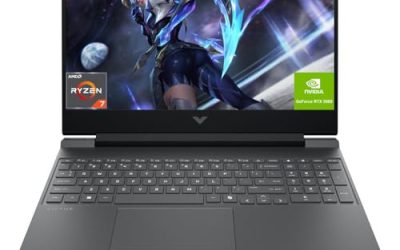
HP Victus 15
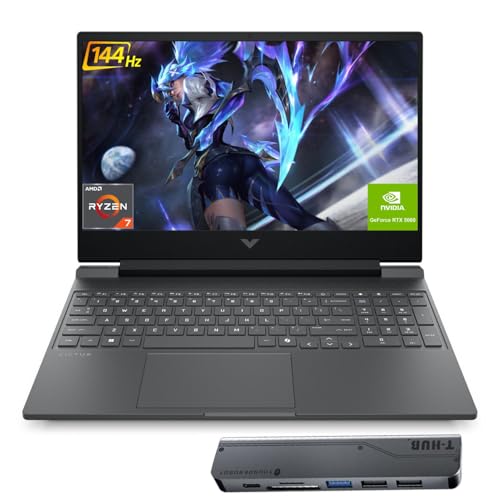
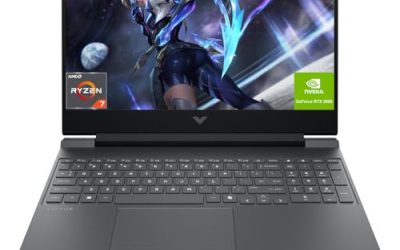
The Victus 15 suits a player who wants one purchase to cover the desk as well as the game. Its listing pairs an AMD Ryzen AI 7 350 processor with NVIDIA GeForce RTX 5060 graphics, 32 GB of DDR5 memory and a 1 TB SSD, so each published Starcom: Nexus line is cleared with a wide margin. The 15.6-inch FHD 144Hz screen fits long exploration sessions, the RJ-45 port covers wired networking, and the listing bundles a Thunderobot 7-in-1 USB-C hub for peripherals. It is the heaviest-spec pick here for buyers who keep many games installed at once.
Specs
- Processor: AMD Ryzen AI 7 350, listed up to 5.0 GHz
- Graphics: NVIDIA GeForce RTX 5060
- Memory: 32 GB DDR5
- Storage: 1 TB SSD
- Display: 15.6-inch FHD 144Hz
- Keyboard: RGB backlit keyboard
- Networking: RJ-45 Ethernet port
- Included per listing: Thunderobot 7-in-1 USB-C hub
- Operating system: Windows 11 Home
- Colour: Black, model TPN-Q279
Best for: players who want the bundled hub and the largest memory figure in this group.
Watch out for: the listing’s own table names the RTX 5060 without printing a separate graphics memory figure, so confirm the full configuration on the page before ordering.
ASIN: B0G1N8R9Z4
Lenovo Legion 5 Gen 10

The Legion 5 Gen 10 is the pick for a player who plays docked and cares about the screen first. Its 15.1-inch WQXGA OLED panel runs at 2560×1600 with 500 nits and a non-touch finish, a sharp step up for reading the game’s text-heavy anomaly screens. Underneath sit a Ryzen 7 260 processor, an RTX 5060 Laptop GPU with 8 GB of GDDR7 memory of its own — the cleanest match in this group for the published 2 GB graphics line — plus 16 GB of memory and a 1 TB SSD. USB4 and HDMI 2.1 cover external displays.
Specs
- Processor: AMD Ryzen 7 260, 3.80 GHz up to 5.10 GHz
- Graphics: NVIDIA GeForce RTX 5060 Laptop GPU, 8 GB GDDR7
- Memory: 16 GB DDR5-5600 SODIMM, up to 32 GB
- Storage: 1 TB SSD M.2 2242 PCIe Gen4 TLC
- Display: 15.1-inch WQXGA OLED 2560×1600, 500 nits, non-touch
- Ports: USB4 USB-C, USB-C 10Gbps, HDMI 2.1, Ethernet RJ-45
- Keyboard: 24-zone RGB backlit keyboard
- Operating system: Windows 11 Home
Best for: docked play where the OLED panel and the 8 GB dedicated graphics memory matter most.
Watch out for: the listing prints an item weight of 7.09 pounds, which reads like a packaged figure rather than the bare machine, so check the weight line carefully if you plan to carry it daily.
ASIN: B0FXMY8FYW
Acer Nitro V 15

The Nitro V 15, model ANV15-51-99XD, is built around an Intel Core i9-13900H and an RTX 4060 Laptop GPU, a pairing far beyond the game’s Core i5 2.2 GHz+ line. Its 15.6-inch FHD IPS panel refreshes at 180Hz, and the storage layout is the flexible part: a 1 TB PCIe Gen 4 SSD with two M.2 slots in total, and 16 GB of DDR5 memory across two slots with a 32 GB maximum, so both can grow later. Thunderbolt 4, WiFi 6 and a backlit keyboard round out a machine aimed at a big installed library.
Specs
- Processor: Intel Core i9-13900H
- Graphics: NVIDIA GeForce RTX 4060 Laptop GPU
- Memory: 16 GB DDR5, two slots, 32 GB maximum
- Storage: 1 TB PCIe Gen 4 SSD, two M.2 slots
- Display: 15.6-inch FHD IPS 180Hz
- Ports: Thunderbolt 4 USB-C, HDMI 2.1, Ethernet RJ-45
- Wireless: WiFi 6
- Keyboard: backlit keyboard
- Operating system: Windows 11 Home
Best for: players who want upgrade room for memory and storage over the machine’s life.
Watch out for: the listing’s body copy twice calls this machine the Nitro V 16 while its model number reads ANV15-51-99XD, so match the model code at checkout rather than the name in the text.
ASIN: B0D8JTYXQM
MSI Katana 15

The Katana 15 B13VEK-277US keeps the formula simple: an Intel Core i7-13620H, an RTX 4050 with 6 GB of GDDR6 memory, 16 GB of DDR5 memory and a 1 TB NVMe SSD. That dedicated 6 GB pool answers the published 2 GB Direct3D 11 line directly, with none of the shared-memory questions the integrated pick raises. The 15.6-inch Full HD IPS screen runs at 144Hz, and a USB Type-C port covers modern peripherals. For a buyer who wants a mid-size gaming laptop that also handles everyday work, this is the most conventional configuration in the group.
Specs
- Processor: Intel Core i7-13620H
- Graphics: NVIDIA GeForce RTX 4050, 6 GB GDDR6
- Memory: 16 GB DDR5-4800
- Storage: 1 TB NVMe SSD
- Display: 15.6-inch Full HD IPS 144Hz
- Ports: USB Type-C
- Operating system: Windows 11 Home
- Colour: Black, model B13VEK-277US
Best for: a conventional gaming laptop that clears every published line without caveats.
Watch out for: the listing’s summary table prints the processor speed as 1.8 GHz, which is the base figure for the i7-13620H, so judge the chip by its full name rather than that single number.
ASIN: B0BZBN3857
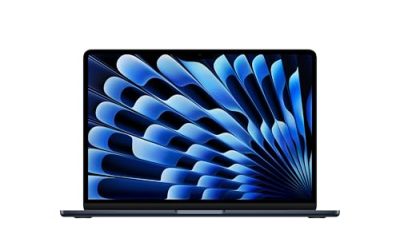
ASUS Zenbook 14 OLED

The Zenbook 14 OLED is the portability pick, and it comes with the one honest caveat in this article. Its Radeon 780M graphics are integrated and share the machine’s 16 GB of LPDDR5X memory, so there is no dedicated 2 GB graphics pool of the kind the published line describes, even though the chip works within Direct3D 11. Buy it knowing that trade. What you get in return is a slim 14-inch laptop with a WUXGA OLED touchscreen at 1920×1200, a Ryzen 7 8840HS processor, a 512 GB SSD and a 75Wh battery for play away from a desk.
Specs
- Processor: AMD Ryzen 7 8840HS, up to 5.1 GHz
- Graphics: AMD Radeon 780M, integrated
- Memory: 16 GB LPDDR5X
- Storage: 512 GB M.2 NVMe PCIe 4.0 SSD
- Display: 14-inch WUXGA OLED touchscreen, 1920×1200
- Wireless: Wi-Fi 6E
- Battery: 75Wh
- Operating system: Windows 11 Home
- Colour: Jade Black, model UM3406HA-WS74T
Best for: travellers who value a light OLED machine and accept the integrated-graphics compromise.
Watch out for: the listing sells this model with a touchscreen while the maker also publishes non-touch panels under the same model line, so confirm the exact panel fitted to the unit you order.
ASIN: B0DFWZ77LB
Which One Fits Your Situation
You play docked at a desk with an external screen
Choose the Legion 5 Gen 10. Its USB4 port and HDMI 2.1 output feed a larger monitor cleanly, the WQXGA OLED panel holds up when you play on the laptop screen itself, and the RTX 5060 carries 8 GB of its own GDDR7 memory, the most literal match here for the published 2 GB graphics line. The Ethernet port also suits a fixed desk where wired networking is within reach.
Your bag goes everywhere and weight comes first
Choose the Zenbook 14 OLED, with the caveat stated in its section kept in mind. It is the smallest and lightest machine here, its 75Wh battery suits sessions away from a socket, and the OLED touchscreen makes menus and system charts easy to read in poor light. Its integrated Radeon 780M shares system memory, so it is a portability choice rather than the most literal answer to the graphics line.
Your library reaches well beyond this one game
Choose the Victus 15 or the Nitro V 15. Both carry a 1 TB SSD, and the Victus adds 32 GB of memory plus a bundled USB-C hub for a crowded desk. The Nitro answers with open upgrade paths: a second M.2 slot for another drive and memory slots that accept up to 32 GB, so the machine can grow as the library does instead of being replaced.
You split time between Windows and a Linux install
Any of the dedicated-graphics picks covers the Linux tab’s figures on paper, since that block asks only for the same Core i5 class processor, 4 GB of memory and a 2GB OpenGL 3 capable card. The Katana 15 is a sensible middle path: mainstream hardware, 16 GB of memory and a 1 TB drive that leaves room for a second partition without squeezing the Windows side.
Common Mistakes
- Treating the minimum tier as a recommended target, when the page publishes no recommended tier at all for either platform.
- Copying figures from Starcom: Unknown Space, the sequel sold as a separate app, whose requirement block is not the one printed for this game.
- Assuming a Mac edition exists because the store shows two tabs; those tabs are Windows and SteamOS + Linux, and no Mac block is published.
- Reading the Linux line’s “2GB” and the Windows line’s “2 GB” as different amounts, when both describe the same 2 GB graphics figure.
- Buying an older machine on the strength of the Vista-era operating system line and missing the page’s note that the Steam Client supports only Windows 10 and later.
Frequently Asked Questions
Is there a recommended tier to aim for?
No. The store page publishes a minimum tier only, once under the Windows tab and once under the SteamOS + Linux tab, with identical processor and memory figures on both. That makes the printed block a floor to clear comfortably rather than a target to match exactly, which is why every pick in this guide sits well above it on paper.
Can I play Starcom: Nexus on a Mac?
Not through any edition sold on this page. The requirements list Windows and SteamOS + Linux tabs only, and no Mac block appears anywhere in them. A Mac owner would need a Windows machine such as the five laptops above, or a separate Windows installation, rather than a native version of the game.
Does integrated graphics meet the published requirement?
The Windows line asks for a 2 GB Direct3D 11 Capable video card or better. Integrated graphics such as the Zenbook 14’s Radeon 780M work within Direct3D 11 but draw on system memory instead of a dedicated 2 GB pool, so they do not meet the wording in the literal sense. The dedicated cards in the other four picks answer the line directly.
How much storage and memory should I actually allow?
The page asks for 2 GB of available space and 4 GB of memory, figures written for the 2019 release. A machine bought today should carry far more of both for the operating system, the client and the rest of a library: the picks here run from 512 GB to 1 TB of storage and from 16 GB to 32 GB of memory.
More from Amazon
Programs that pair well with the guide above. Offers and eligibility are set by Amazon and may change.
A free business account with business pricing and bulk-buying tools for work, shop or home office.
Create a business accountFree shipping on eligible items, Prime Video and more. Eligible new members can start with a free trial.
Start a Prime free trialAudiobooks and podcasts to listen to on the go. Eligible new members can start with a free trial.
Try Audible freeAd-free music streaming. Eligible new subscribers can start with a free trial.
Try Music Unlimited freeAs an Amazon Associate we earn from qualifying purchases.
Write Your Review
No reviews yet. Be the first to share your experience!