

Key takeaways
- Students rarely need a powerful laptop; they need one that survives a backpack, lasts through a lecture, and runs a browser, a word processor.
Students rarely need a powerful laptop; they need one that survives a backpack, lasts through a lecture, and runs a browser, a word processor, and a video call at the same time without stalling. The decision this keyword implies is how little you can spend on hardware before the machine becomes a daily frustration. A cheap laptop with 4GB of memory and a tiny drive can look fine on the shelf and feel painful by the second semester.
This guide is for high school, college, and homeschool buyers looking at entry-level 14-inch and 15.6-inch Windows laptops, including parents buying for a first laptop. Six distinct models are compared below using only what their titles state. Nothing here is a lab result, so use it to narrow the field and then confirm storage, memory, and included software on the final listing before you order, especially because several titles advertise Office subscriptions that vary in length.
Quick Picks
Our top picks
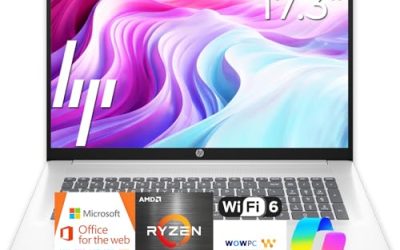
 2026 Laptops Computer
- 【Unbeatable Assurance & Support for Your Laptop】Shop with…
- 【Ready-to-Use System - Windows 11 Pro Laptop】Out-of-the-box productivity:…
- 【Immersive 15.6" Display on Traditional Laptop Computers】Experience sharp,…
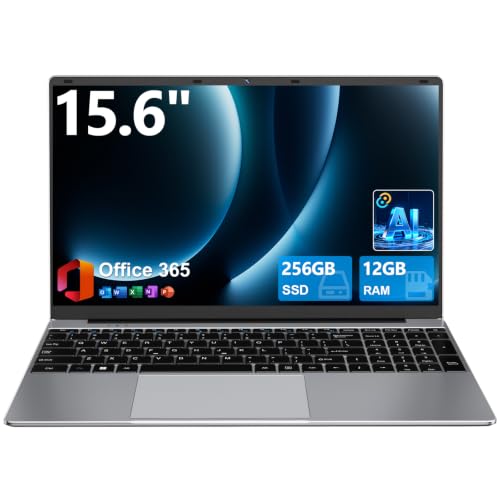
 DRKAKO 15.6" FHD IPS Student Laptop
- Ready for School & Work: Includes 1-year Office…
- Everyday Productivity & Storage: This laptop's J4105 quad-core…
- Vivid 15.6" FHD IPS Display: 1920×1080 resolution and…
| Product | Key specs | |
|---|---|---|
| 2026 Laptops Computer | 【Unbeatable Assurance & Support for Your Laptop】Shop with… 【Ready-to-Use System - Windows 11 Pro Laptop】Out-of-the-box productivity:… 【Immersive 15.6" Display on Traditional Laptop Computers】Experience sharp,… | Check price |
| DRKAKO 15.6" FHD IPS Student Laptop | Ready for School & Work: Includes 1-year Office… Everyday Productivity & Storage: This laptop's J4105 quad-core… Vivid 15.6" FHD IPS Display: 1920×1080 resolution and… | Check price |
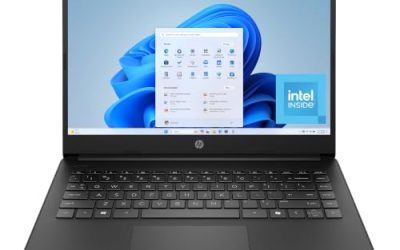
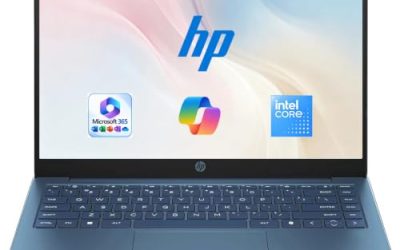
 HP 14” Laptop Ultra-Portable Computer 2026 Student | Check price | |
 TRHRO Laptop 15.6 Inch | Check price | |
 DRKAKO 15.6" FHD IPS Student Laptop | Check price | |
| 2026 Laptops Computer | 【Unbeatable Assurance & Support for Your Laptop】Shop with… 【Ready-to-Use System - Windows 11 Pro Laptop】Out-of-the-box productivity:… 【Immersive 15.6" Display on Traditional Laptop Computers】Experience sharp,… | Check price |
As an Amazon Associate we earn from qualifying purchases at no extra cost to you.
| Product | Best for | Key spec from the title |
|---|---|---|
| Generic 15.6-inch Windows 11 Pro laptop (Pentium, 8GB) | Everyday coursework on a full-size screen | 8GB RAM, 256GB SSD, 6H battery, Mini HDMI |
| DRKAKO 15.6-inch FHD IPS | Multitasking on a low-cost plan | 12GB RAM, 256GB SSD, J4105 quad-core |
| HP 14-inch Ultra-Portable (4GB) | Light note-taking and carrying | Intel 4-core CPU, 4GB RAM, 628GB combined storage |
| TRHRO 15.6-inch | Fast CPU on a lean budget | Pentium Gold 6500Y, 12GB RAM, 128GB SSD, USB-C |
| HP 14-inch Ultra-Light (Celeron N4500) | Long days away from an outlet | 12-hour battery claim, 4GB RAM, 64GB eMMC |
| ASUS Vivobook Go 15.6 | Thin, familiar brand for study | Intel N4500, 4GB RAM, 128GB SSD |
How to Choose
Memory and storage thresholds
RAM is the first spec to check. Four gigabytes can run a browser and a document but struggles with many tabs, so 8GB is a sensible floor and 12GB gives more breathing room. For storage, 128GB is tight once Windows updates and course files pile up, while 256GB is more comfortable. Be careful with eMMC and UFS drives, which are slower than a standard SSD, and with combined figures that add a memory card or external drive to the total.
Screen size and panel type
Screens matter more for students than for most buyers because reading and writing fill the day. A 15.6-inch FHD IPS screen is easier on the eyes for long reading sessions and gives wider viewing angles than a basic panel. A 14-inch body is easier to carry between classes. If the title lists FHD or 1920×1080 and IPS, you are getting the usual baseline; if it states neither, assume a lower-quality display and look further.
Processor class and what to ignore
Celeron, Pentium, and J4105-class chips handle web apps, documents, and streaming, but they are not for video editing or heavy programming. Treat phrases like AI Assistant or Copilot as software extras rather than performance. Ignore claims such as outperforms an older chip unless a measured result is shown, and focus on RAM, storage, and the battery claim instead.
Battery, ports, and software extras
Battery claims in titles are manufacturer figures, so a stated 6 hours is a different promise than a stated 12 hours. For connectivity, look for USB-C, USB 3.2, HDMI for a classroom projector, and a modern wireless standard such as WiFi 5 or better. Office 365 offers inside the title often come with a limited-length subscription, so check the term before counting on it in 2026.
The 6 Best Options
Generic 15.6-inch Windows 11 Pro Laptop (Pentium, 8GB)
This generic-branded model gives you a full-size 15.6-inch screen, Windows 11 Pro, Office 365 access, 8GB of RAM, and a 256GB SSD. It also lists a 6-hour battery, a camera and microphone, and a Mini HDMI port for presentations.
- Strength: 8GB RAM and a 256GB SSD are the sensible baseline for coursework.
- Strength: Mini HDMI helps when a classroom display needs a connection.
- Trade-off: a 6-hour battery claim is modest for a full school day.
Who it suits: a high school or first-year college student who wants a big screen for reading and writing, plus a port that connects to a projector without an adapter hunt. The title also lists a camera and microphone, which covers online classes and group calls. Skip it if you want a recognized brand with known support channels, or if a longer battery claim than 6 hours matters for back-to-back lectures.
DRKAKO 15.6-inch FHD IPS
The DRKAKO pairs an FHD IPS screen with 12GB of RAM and a 256GB SSD, which is more memory than most entry-level laptops. A J4105 quad-core processor, WiFi 5, and a 180-degree lay-flat hinge round out the listing.
- Strength: 12GB of RAM helps with many browser tabs.
- Strength: an IPS screen and a lay-flat hinge suit group study.
- Trade-off: J4105 is an older, low-power chip, so heavy software will feel slow.
Who it suits: a student who lives in a browser, a note app, and a video call at once, and who sometimes studies at a desk or on a couch where the hinge folds flat. The Office 365 and AI assistant mentions are extras that add convenience, though their terms are worth confirming. Skip it if you plan to run demanding programs for design or coding, since the processor class sets a ceiling on speed.
HP 14-inch Ultra-Portable (4GB)
HP is the recognizable brand in this group, and this model targets students and light business use with an Intel 4-core CPU, Copilot AI, and Microsoft Office. The storage line is complicated: 628GB total is made of 128GB UFS plus a 500GB external drive.
- Strength: 14-inch size and ultra-portable design for carrying.
- Strength: Office and AI tools are included in the listing.
- Trade-off: 4GB of RAM and only 128GB of internal storage limit long-term use.
Who it suits: a middle school or high school student, or a parent buying a light second computer for homework, who values a small footprint and a familiar brand name over memory headroom. Because the listed storage mixes internal and external parts, treat the internal 128GB as the real number when you plan for apps. Skip it if you want to store files locally without relying on an external drive.
TRHRO 15.6-inch
This is the processor-forward choice, with a Pentium Gold 6500Y reaching up to 3.4GHz, 12GB of RAM, and a 128GB SSD. The title adds an FHD IPS screen, USB-C, USB 3.2, WiFi 5, and Bluetooth 5.2.
- Strength: 12GB of memory and a faster-clocked Pentium chip.
- Strength: USB-C and USB 3.2 ports for modern accessories.
- Trade-off: 128GB of storage fills up quickly.
Who it suits: a college student who wants snappier everyday response from a higher-clocked chip and who is comfortable keeping most files in the cloud. The Bluetooth 5.2 and WiFi 5 pairing covers wireless headphones and campus networks. Skip it if you store large files or keep many projects offline, or if you dislike the title’s comparison to an older chip, which is a marketing line rather than a measured result.
HP 14-inch Ultra-Light (Celeron N4500)
The Celeron N4500 model leans on portability, with a 14-inch ultra-light body and a 12-hour battery claim. It includes 1-year Office 365, 4GB of RAM, and 64GB of eMMC storage plus a 64GB card.
- Strength: a 12-hour battery claim is the longest in this comparison.
- Strength: a lightweight 14-inch body suits commuting.
- Trade-off: 4GB of RAM and 64GB of eMMC are the smallest figures here.
Who it suits: a commuting student who spends hours on trains or in libraries without an outlet, and who mostly uses web apps, e-books, and documents. The memory card helps with extra file space, though it is slower and more fragile than a built-in drive. Skip it if you need to install many programs or keep a large file library, because the internal storage and memory are the smallest of the six.
ASUS Vivobook Go 15.6
The Vivobook Go is a slim, thin 15.6-inch laptop described as suited to student study. Specs include an Intel dual-core N4500, 4GB of RAM, a 128GB SSD, and Windows 11.
- Strength: a familiar brand and a standard SSD rather than eMMC.
- Strength: slim and portable for a 15.6-inch machine.
- Trade-off: 4GB of RAM limits multitasking.
Who it suits: a student who wants a conventional laptop from a known brand for essays, spreadsheets, and streaming, with a real SSD instead of a slower flash drive. The model number in the title makes it easy to look up exact ports and warranty terms. Skip it if you routinely run many apps at once, or if you want a more generous memory figure for the same screen size.
One more filter worth applying: decide whether the laptop must last through four years of study or only a single school year. A longer horizon pushes the choice toward 8GB or 12GB of RAM and a 256GB drive, since software only grows heavier over time. A one-year stopgap can tolerate the smallest specs, provided cloud storage covers the gap.
Which One Fits Your Situation
You need the most memory on a tight budget
The DRKAKO and the TRHRO both list 12GB of RAM. The DRKAKO has the larger 256GB SSD, while the TRHRO has the faster-clocked chip and USB-C.
You commute and need a long battery
The HP 14-inch Ultra-Light with the Celeron N4500 states a 12-hour battery, the highest claim here. Pair it with cloud storage to offset the small drive.
You want a balanced setup for general coursework
The generic 15.6-inch Pentium model combines 8GB of RAM and a 256GB SSD, a better-rounded mix than the 4GB options.
You prefer a known brand
The ASUS Vivobook Go and the HP 14-inch Ultra-Portable are the branded options; the Vivobook Go has a real SSD, while the HP bundles Office and AI tools.
Common Mistakes
- Choosing 4GB of RAM to save money and regretting it once tabs and video calls pile up.
- Counting an external drive or memory card as internal storage.
- Taking Office 365 offers at face value without checking how long the subscription lasts.
- Trusting battery claims without noting that they are manufacturer figures.
- Ignoring ports when a classroom needs HDMI or when accessories need USB-C.
Related guides
- Affordable Gaming Mouse For Alienware Laptop
- Laptop Docking Stations For Dual Monitors
- Travel Backpack With Laptop Compartment
Frequently Asked Questions
How much RAM does a student laptop need?
Aim for 8GB at minimum. Four gigabytes can work for very light use, but 12GB gives noticeably more room for many tabs and video calls.
Is 128GB of storage enough?
It can be if you rely on cloud storage, but 256GB is more comfortable. Windows updates and course files take up more space than most buyers expect.
Are Celeron and Pentium laptops good enough for school?
For web research, documents, presentations, and streaming, yes. They are not suited to video editing, 3D design, or heavy programming.
Does the Office 365 mention mean it is free forever?
Not necessarily. Several titles refer to a limited subscription, so confirm the length and renewal terms before relying on it.
More from Amazon
Programs that pair well with the guide above. Offers and eligibility are set by Amazon and may change.
A free business account with business pricing and bulk-buying tools for work, shop or home office.
Create a business accountFree shipping on eligible items, Prime Video and more. Eligible new members can start with a free trial.
Start a Prime free trialAudiobooks and podcasts to listen to on the go. Eligible new members can start with a free trial.
Try Audible freeAd-free music streaming. Eligible new subscribers can start with a free trial.
Try Music Unlimited freeAs an Amazon Associate we earn from qualifying purchases.


Write Your Review
No reviews yet. Be the first to share your experience!