
Key takeaways
- Compare the best laptops for Turbo Kid with verified picks matched to the game's published PC requirements and retro display checks for buyers.
Turbo Kid, from Outerminds, is a pixel-art Metroidvania built around BMX riding through a post-apocalyptic wasteland, adapted from the 2015 film. You explore on foot and by bike, unlock new gear, and push deeper into a map that opens up as your abilities grow. It is a 2D game with modest hardware demands, so the buying decision is less about raw power and more about a good screen and headroom for everything else you run.
As an Amazon Associate, we earn from qualifying purchases.
How to Choose a Laptop for Turbo Kid
Start with the platform facts, because they narrow the field quickly. The Steam store page for Turbo Kid (app 1733250) publishes a single set of system requirements, and it covers Windows only. There is no macOS edition and no Linux edition listed, so every pick in this guide is a Windows laptop. The published minimum asks for a 64-bit processor and operating system, Windows 7 SP1, an Intel Core i3-550 or AMD FX-4100, 8 GB of RAM, a GeForce GTX 750 Ti or Radeon HD 6950, DirectX 10, and 3 GB of storage. The recommended line moves to Windows 10, an Intel Core i5-8400 or AMD Ryzen 5 2600, 8 GB of RAM, and a GeForce GTX 950 or Radeon HD 7870.
Two practical notes follow. First, the Steam client itself has supported only Windows 10 and later since January 1, 2024, so a current Windows 11 machine is the sensible target even though the game lists older Windows versions. Second, the store page marks the game as Steam Deck Verified, which underlines how light the workload is. For the display, pixel art rewards contrast and clean scaling more than sheer resolution, so an OLED panel or a sharp IPS screen both serve the game well. Every laptop below clears the recommended graphics line, so the differences are screen quality, memory, storage, and portability.
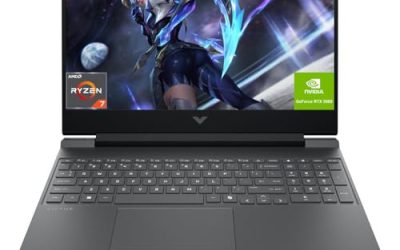
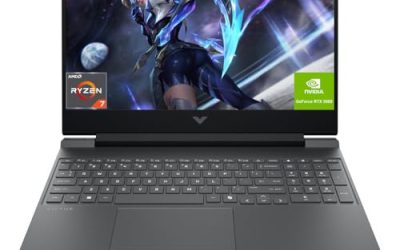
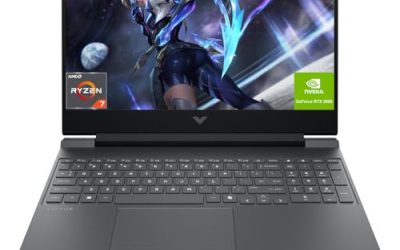
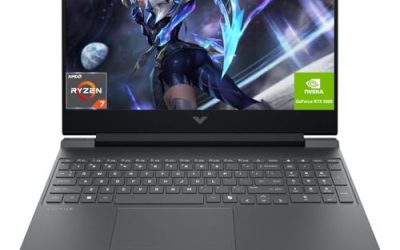
HP Victus 15
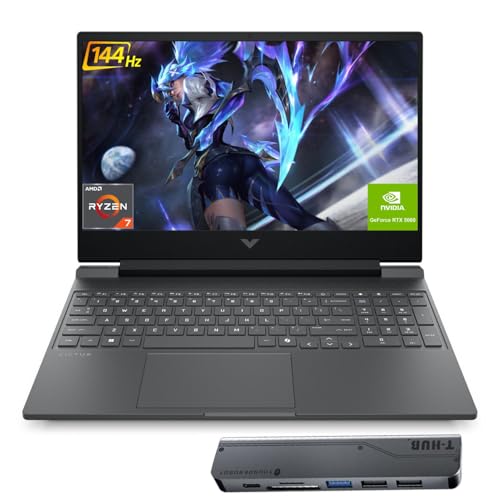
The Victus 15 is the most powerful machine in this guide, built around an AMD Ryzen AI 7 350 processor and a dedicated NVIDIA GeForce RTX 5060 graphics card with 8 GB of GDDR7 memory. Against a recommended line that tops out at a GeForce GTX 950, that is a wide margin of headroom, and the 32 GB of DDR5 memory means the game, a browser, and chat apps can all stay open at once.
The 15.6-inch Full HD screen runs at 144 Hz as listed, which suits the fast bike sections, and the 1 TB SSD leaves room for a large library beyond this 3 GB install. The listing also notes an RGB backlit keyboard with a numeric keypad, an RJ-45 Ethernet port, and a bundled Thunderobot 7-in-1 USB-C hub.
Specs
- Processor: AMD Ryzen AI 7 350, up to 5.0 GHz as listed
- Graphics: NVIDIA GeForce RTX 5060, 8 GB GDDR7, dedicated
- Memory: 32 GB DDR5
- Storage: 1 TB SSD
- Display: 15.6-inch Full HD, 144 Hz as listed
- Keyboard: RGB backlit, with numeric keypad
- Ports: RJ-45 Ethernet, USB-C hub bundled as listed
- Operating system: Windows 11 Home
- ASIN: B0G1N8R9Z4
Lenovo Legion 5 Gen 10

The Legion 5 Gen 10 pairs an AMD Ryzen 7 260 processor with an NVIDIA GeForce RTX 5060 laptop GPU carrying 8 GB of GDDR7 memory, so it also sits far above the game’s published recommended hardware. Where it stands apart is the screen: a 15.1-inch WQXGA OLED panel at 2560 x 1600 with 500 nits of brightness as listed, and OLED contrast gives the dark wasteland scenes and bright pixel highlights a punchy, clean look.
Memory is 16 GB of DDR5-5600, double the game’s published requirement, and storage is a 1 TB M.2 PCIe Gen 4 SSD. The listing names a 24-zone RGB backlit keyboard, a USB4 port, HDMI 2.1, and Ethernet, so a controller, an external display, and a wired link are all easy to add.
Specs
- Processor: AMD Ryzen 7 260, 3.8 GHz up to 5.1 GHz as listed
- Graphics: NVIDIA GeForce RTX 5060 Laptop GPU, 8 GB GDDR7
- Memory: 16 GB DDR5-5600
- Storage: 1 TB SSD M.2 PCIe Gen 4
- Display: 15.1-inch WQXGA OLED, 2560 x 1600, 500 nits, non-touch as listed
- Keyboard: 24-zone RGB backlit
- Ports: USB4, HDMI 2.1, Ethernet (RJ-45)
- Operating system: Windows 11 Home
- ASIN: B0FXMY8FYW
Acer Nitro V 15 ANV15-51-99XD

The Nitro V 15 in this ANV15-51-99XD configuration runs an Intel Core i9-13900H processor with an NVIDIA GeForce RTX 4060 laptop GPU, a pairing that clears the game’s recommended Core i5-8400 and GTX 950 line with room to spare. Its 15.6-inch Full HD IPS panel refreshes at 180 Hz as listed, the fastest screen in this guide, which keeps side-scrolling movement looking clean.
Acer lists 16 GB of DDR5 memory across two slots with a 32 GB maximum, plus a 1 TB PCIe Gen 4 SSD with two M.2 slots, so both memory and storage can grow later. Thunderbolt 4 covers fast external drives and docks, and Wi-Fi 6 handles wireless play.
Specs
- Processor: Intel Core i9-13900H
- Graphics: NVIDIA GeForce RTX 4060 Laptop GPU, dedicated
- Memory: 16 GB DDR5, two slots, 32 GB maximum as listed
- Storage: 1 TB PCIe Gen 4 SSD, two M.2 slots as listed
- Display: 15.6-inch Full HD IPS, 180 Hz as listed
- Connectivity: Thunderbolt 4, Wi-Fi 6
- Keyboard: backlit
- Operating system: Windows 11 Home
- ASIN: B0D8JTYXQM
MSI Katana 15 B13VEK-277US

The Katana 15 B13VEK-277US uses an Intel Core i7-13620H processor and an NVIDIA GeForce RTX 4050 graphics card with 6 GB of GDDR6 memory. That dedicated card is still several generations beyond the GTX 950 on the game’s recommended line, so Turbo Kid asks very little of this machine, and the hardware has plenty left over for heavier games in the same library.
The 15.6-inch Full HD IPS display runs at 144 Hz, memory is 16 GB of DDR5-4800, and storage is a 1 TB NVMe SSD, which holds this game many times over alongside other titles. A USB Type-C port covers modern accessories, and Windows 11 Home is installed, so it is ready for the current Steam client out of the box.
Specs
- Processor: Intel Core i7-13620H
- Graphics: NVIDIA GeForce RTX 4050, 6 GB GDDR6, dedicated
- Memory: 16 GB DDR5-4800
- Storage: 1 TB NVMe SSD
- Display: 15.6-inch Full HD IPS, 144 Hz
- Ports: USB Type-C, as listed
- Color: Black
- Operating system: Windows 11 Home
- ASIN: B0BZBN3857
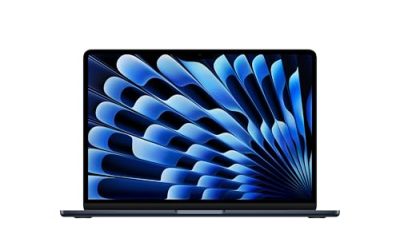
ASUS Zenbook 14 OLED UM3406HA

The Zenbook 14 OLED is the portable pick, and it comes with an honest caveat: its AMD Radeon 780M graphics are integrated, so they sit below every dedicated card in this guide. For this game, that trade still works. The 780M lands above the game’s published GTX 950 recommended line on paper, and the published minimum is only a GTX 750 Ti-class card, so a 2D pixel-art title is well within its reach.
What you get in return is a 14-inch WUXGA OLED touchscreen at 1920 x 1200 that makes the pixel art look rich, a 512 GB SSD, Wi-Fi 6E, and a 75 Wh battery in a Jade Black chassis weighing about 2.82 pounds as listed. If your gaming happens on trains or on a couch rather than at a fixed desk, this is the machine that travels best while still covering the requirements in full.
Specs
- Processor: AMD Ryzen 7 8840HS, up to 5.1 GHz as listed
- Graphics: AMD Radeon 780M, integrated
- Memory: 16 GB LPDDR5X
- Storage: 512 GB M.2 NVMe PCIe 4.0 SSD
- Display: 14-inch WUXGA OLED touchscreen, 1920 x 1200
- Connectivity: Wi-Fi 6E
- Battery: 75 Wh
- Operating system: Windows 11 Home
- ASIN: B0FW4P9BTQ
Comparison Table
| Product | Best for | Key spec |
|---|---|---|
| HP Victus 15 | Most headroom | RTX 5060, 32 GB DDR5, 144 Hz |
| Lenovo Legion 5 Gen 10 | Best screen | 15.1-inch WQXGA OLED, RTX 5060 |
| Acer Nitro V 15 ANV15-51-99XD | Fastest panel | 180 Hz IPS, RTX 4060, Thunderbolt 4 |
| MSI Katana 15 B13VEK-277US | Balanced gaming pick | RTX 4050, 1 TB SSD, 144 Hz |
| ASUS Zenbook 14 OLED UM3406HA | Travel and portability | OLED touch, 75 Wh, about 2.82 lbs |
FAQ
Does Turbo Kid run on a Mac or on Linux?
No. The Steam store page publishes Windows system requirements only, with no macOS edition and no Linux edition listed. You need a Windows PC, and because the Steam client supports only Windows 10 and later, a Windows 11 laptop like every pick in this guide is the practical choice.
How much storage and memory does Turbo Kid need?
The published requirements ask for 3 GB of available storage and 8 GB of RAM, at both the minimum and recommended levels. Every laptop here carries at least 16 GB of memory and a 512 GB SSD or larger, so the game fits easily alongside a bigger library.
Will a stronger graphics card change how the game plays?
No. Hardware headroom affects loading and smoothness, but it cannot change boss patterns, enemy behavior, map layouts, item placement, or story events. Those stay exactly as the developer built them, whichever laptop in this guide you choose.
Conclusion
Turbo Kid asks very little of modern hardware, and its Windows-only release makes the shortlist simple: any current Windows 11 gaming laptop clears the published requirements with ease. Pick the Victus 15 or Legion 5 Gen 10 for the most headroom, the Nitro V 15 for its 180 Hz panel and upgrade paths, the Katana 15 for balance, or the Zenbook 14 OLED when portability matters most.
More from Amazon
Programs that pair well with the guide above. Offers and eligibility are set by Amazon and may change.
A free business account with business pricing and bulk-buying tools for work, shop or home office.
Create a business accountFree shipping on eligible items, Prime Video and more. Eligible new members can start with a free trial.
Start a Prime free trialAudiobooks and podcasts to listen to on the go. Eligible new members can start with a free trial.
Try Audible freeAd-free music streaming. Eligible new subscribers can start with a free trial.
Try Music Unlimited freeAs an Amazon Associate we earn from qualifying purchases.
Write Your Review
No reviews yet. Be the first to share your experience!