
Lorelei and the Laser Eyes asks almost nothing of a laptop on paper: Simogo publishes a minimum line built around a Core i3-540, 4 GB of memory and 2 GB of storage. The real decision is not raw power. This is a game of photographs, documents, symbols and handwritten notes, read slowly over long sessions, so the screen you stare at, the keyboard you type your own notes on, and how easily the machine moves between rooms matter far more than headline speed figures.
The five picks below serve readers who want one dependable Windows laptop for this game first: players settling in at a desk, players who read in bed or on a sofa, and players sharing one machine with family for school and everyday work. Every pick was chosen from the names and specifications printed on its product listing, and each one clears the published line with room to spare.
Quick Picks
As an Amazon Associate we earn from qualifying purchases
| Product | Best for | Key spec from title |
|---|---|---|
| HP Victus 15 | A desk setup that also covers a wider game library | RTX 5060 with 32GB DDR5 RAM and 1TB SSD |
| Lenovo Legion 5 Gen 10 | The sharpest screen for reading documents and symbols | RTX 5060 with WQXGA OLED 500nits display |
| Acer Nitro V 15 | A shared family machine with room to upgrade later | RTX 4060 with 15.6-inch FHD IPS 180Hz display |
| MSI Katana 15 | A plain gaming build with headroom beyond this game | RTX 4050 with 16GB DDR5 and 1TB NVMe SSD |
| ASUS Zenbook 14 OLED | Playing in bed, on a sofa, or away from a desk | Ryzen 7 8840HS with Radeon 780M graphics |
How to Choose
Platform and the Published Requirements
Steam publishes a single requirements block for this game, and it is Windows only: no macOS block and no Linux block appear on the store page, so there is no native Mac edition to plan around. The minimum line names Windows 10, an Intel Core i3-540 or AMD Phenom II X4 965, 4 GB of RAM, a GeForce 8800 GT, Radeon HD 5670 or Intel HD Graphics 4600, DirectX 9.0c and 2 GB of storage. The recommended line names a Core i5-650 or FX-4350 and a GeForce GT 730, Radeon R7 240 or Intel Iris Xe Graphics. Every pick here runs Windows 11 Home as listed.
Memory and Storage Against the Published Line
The published line asks for 4 GB of memory in both tiers and 2 GB of storage, figures any current laptop passes without trying. The Victus lists 32 GB of DDR5 memory, the other four list 16 GB, and storage runs from 512 GB on the Zenbook to 1 TB SSDs on the rest, with the Nitro naming a PCIe Gen 4 drive and a second M.2 slot. That headroom is not for this game; it is for the rest of your library, a browser full of tabs, and years of everyday files. Buy memory and storage for your whole routine, not for a 2 GB install.
Display and Keyboard for Long Reading Sessions
Most of this game is reading: letters, photographs, captions and symbol charts held on screen while you think. Panel wording matters more than refresh figures here. The Legion lists a 15.1-inch WQXGA OLED panel at 2560 x 1600 and 500 nits, the Zenbook a 14-inch WUXGA OLED at 1920 x 1200, and the Victus, Nitro and Katana list 15.6-inch 1920 x 1080 panels at 144Hz or 180Hz. Higher resolution keeps small text crisp at reading distance. Keyboard wording is worth checking too: the Victus and Legion list RGB backlit keyboards, the Nitro and Zenbook list backlit keyboards, which helps when you type notes in a dim room.
Weight, Battery and Ports
Portability splits this list in two. The Zenbook lists a 75 Wh battery and a weight of about 2.65 lbs, figures built for carrying between rooms, while the gaming models are desk-first machines and their listings put the emphasis on ports instead: the Victus lists an RJ-45 Ethernet port and bundles a 7-in-1 USB-C hub, the Legion lists USB4, HDMI 2.1 and Ethernet, and the Nitro lists Thunderbolt 4, HDMI 2.1 and an RJ-45 port. Check the battery and weight fields on each listing page before ordering, because wording varies. Cheaper machines in this class usually cut back on ports, panel brightness and battery size first.
The 5 Best Options
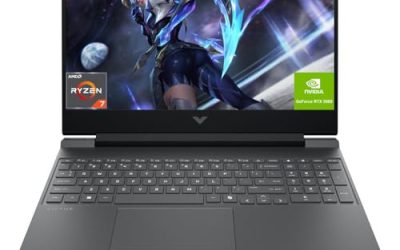
HP Victus 15
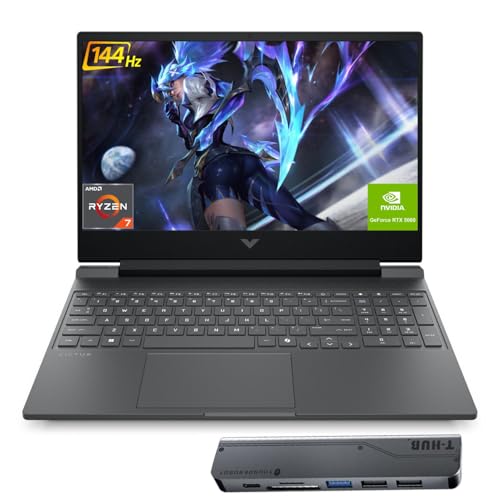
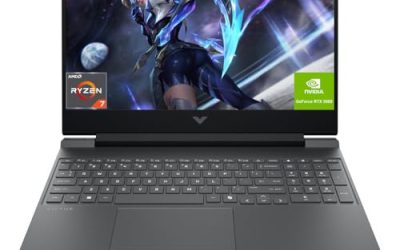
The Victus is the desk-first pick for players who want this game covered and plenty left over for everything else they play. Its RTX 5060 is a dedicated card far above the GeForce GT 730 named in the recommended line, and the listing pairs it with 32 GB of DDR5 memory and a 1 TB SSD, so a large library and a browser full of tabs sit comfortably alongside a 2 GB install. The 15.6-inch 144Hz panel and RGB backlit keyboard as listed suit long evening sessions of reading and note-taking at one spot.
Specs
- Processor: AMD Ryzen AI 7 350, up to 5.0 GHz as listed
- Graphics: NVIDIA GeForce RTX 5060, dedicated as listed
- Memory: 32 GB DDR5 at 4800 MHz as listed
- Storage: 1 TB SSD
- Display: 15.6-inch, 1920 x 1080, 144Hz as listed
- Keyboard: RGB backlit as listed
- Ports: RJ-45 Ethernet as listed; bundled Thunderobot 7-in-1 USB-C hub as listed
- Operating system: Windows 11 Home
- Color and series: Black, TPN-Q279 as listed
Best for: A fixed desk setup that also runs a wider, heavier game library
Watch out for: The listing does not print a video memory figure for the RTX 5060 in its summary fields, so confirm the exact configuration on the product page before ordering.
ASIN: B0G1N8R9Z4
Lenovo Legion 5 Gen 10

The Legion earns its place on its screen. The listing names a 15.1-inch WQXGA OLED panel at 2560 x 1600 and 500 nits, the sharpest display in this group, and small print in documents and symbol charts stays crisp at normal reading distance. Underneath, the Ryzen 7 260 and the RTX 5060 Laptop GPU with 8 GB of GDDR7 as listed sit far beyond anything the published line asks for, and 16 GB of DDR5-5600 memory with a 1 TB SSD leaves room for a much bigger library than this one game.
Specs
- Processor: AMD Ryzen 7 260, 3.80 GHz up to 5.10 GHz as listed
- Graphics: NVIDIA GeForce RTX 5060 Laptop GPU, 8 GB GDDR7 as listed
- Memory: 16 GB DDR5-5600 SODIMM as listed
- Storage: 1 TB SSD M.2 2242 PCIe Gen4 as listed
- Display: 15.1-inch WQXGA OLED, 2560 x 1600, 500 nits, non-touch as listed
- Keyboard: 24-zone RGB backlit as listed
- Ports: USB4, HDMI 2.1 and Ethernet (RJ-45) as listed
- Operating system: Windows 11 Home
Best for: Long reading sessions where small text has to stay sharp
Watch out for: The listing’s technical details print an item weight of 7.09 pounds, which reads high for this class, so confirm the figure and the exact configuration on the page before ordering.
ASIN: B0FXMY8FYW
Acer Nitro V 15

The Nitro V 15 is the balanced middle pick, and its listing is written for owners who upgrade later: 16 GB of DDR5 memory across two slots with a 32 GB maximum, and a 1 TB PCIe Gen 4 SSD with two M.2 slots. The Core i9-13900H and the RTX 4060 Laptop GPU with DLSS 3.5 as listed clear the published line many times over, and the 15.6-inch FHD IPS panel runs at 180Hz as listed. For a household machine shared between this game, schoolwork and heavier titles, that flexibility matters more than any single headline figure.
Specs
- Processor: Intel Core i9-13900H as listed
- Graphics: NVIDIA GeForce RTX 4060 Laptop GPU with DLSS 3.5 as listed
- Memory: 16 GB DDR5, two slots, 32 GB maximum as listed
- Storage: 1 TB PCIe Gen 4 SSD, two M.2 slots as listed
- Display: 15.6-inch FHD IPS, 180Hz as listed
- Ports: Thunderbolt 4, HDMI 2.1 and Ethernet (RJ-45) as listed
- Wireless: Wi-Fi 6 as listed
- Keyboard: backlit as listed
- Operating system: Windows 11 Home
Best for: A shared family laptop that can grow with memory and storage upgrades
Watch out for: The listing headline does not state a video memory figure for the RTX 4060, so check the full product page for the exact graphics configuration before ordering.
ASIN: B0D8JTYXQM
MSI Katana 15

The Katana is the straightforward gaming build of the group: an Intel Core i7-13620H, an RTX 4050 with 6 GB of GDDR6 per the listing’s bullet text, 16 GB of DDR5-4800 memory and a 1 TB NVMe SSD. Against a recommended line that names a GeForce GT 730, that is comfortable headroom, and the 15.6-inch Full HD IPS 144Hz panel as listed is a sensible size for reading documents at a desk. Pick it if you want a no-fuss machine whose spare capacity goes toward the rest of your library rather than toward this game.
Specs
- Processor: Intel Core i7-13620H as listed
- Graphics: NVIDIA GeForce RTX 4050, 6 GB GDDR6 per the listing bullet text
- Memory: 16 GB DDR5-4800 as listed
- Storage: 1 TB NVMe SSD as listed
- Display: 15.6-inch Full HD IPS, 144Hz as listed
- Ports: USB Type-C as listed
- Operating system: Windows 11 Home
- Color and model: Black, B13VEK-277US as listed
Best for: A plain, capable gaming laptop for a desk or dorm room
Watch out for: The listing’s technical-details table prints a graphics memory figure that conflicts with the 6 GB GDDR6 in its own bullet text, so go by the bullet text and confirm on the page before ordering.
ASIN: B0BZBN3857
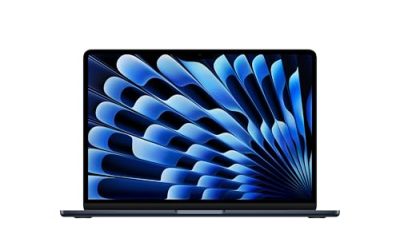
ASUS Zenbook 14 OLED

The Zenbook is the portability pick, and it needs an honest note on graphics: its Radeon 780M is integrated, not a separate card. That still fits this game, because the published line itself names integrated parts, an Intel HD Graphics 4600 at minimum and Intel Iris Xe Graphics at recommended, and the 780M is a newer integrated design than either. In return you get a 14-inch WUXGA OLED touchscreen as listed, a 75 Wh battery and a weight of about 2.65 lbs, a machine that follows you from desk to sofa to bed far more easily than the gaming models here.
Specs
- Processor: AMD Ryzen 7 8840HS, up to 5.1 GHz as listed
- Graphics: AMD Radeon 780M integrated, 12 RDNA 3 compute units as listed
- Memory: 16 GB LPDDR5X as listed
- Storage: 512 GB M.2 NVMe PCIe 4.0 SSD as listed
- Display: 14-inch WUXGA OLED touchscreen, 1920 x 1200 as listed
- Wireless: Wi-Fi 6E as listed
- Battery: 75 Wh as listed
- Weight: about 2.65 lbs as listed
- Color and model: Jade Black, UM3406HA-WS74T as listed
- Operating system: Windows 11 Home
Best for: Playing away from a desk, in bed or on a sofa, with long unplugged sessions
Watch out for: The listing describes a touchscreen while the maker’s own spec sheet for UM3406HA lists a non-touch panel, so confirm touch support on the product page before ordering; its memory is also fixed at 16 GB as listed.
ASIN: B0DFWZ77LB
Which One Fits Your Situation
You Play at a Desk Most Evenings
The Victus and the Legion both suit a fixed spot. The Victus brings 32 GB of memory and a bundled USB-C hub as listed, which helps a desk with several accessories attached. The Legion brings the sharpest screen in the group, its 2560 x 1600 OLED panel as listed, which pays off every time a document fills the display. Choose the Victus for memory headroom and the Legion for text clarity.
You Read and Play Away From a Desk
The Zenbook is the one built for the sofa, the bed and the kitchen table. It lists a 75 Wh battery and a weight of about 2.65 lbs, far easier to carry around the home than the gaming models, and its OLED panel keeps documents readable in soft evening light. Its integrated graphics fit this game’s published line, which names integrated parts itself.
The Laptop Is Shared With Family
The Nitro V 15 fits a shared household best. Its listing names two memory slots with a 32 GB maximum and two M.2 slots, so the machine can grow as needs change, and its Core i9-13900H and RTX 4060 as listed cover school projects, everyday work and heavier games alongside this one. Everyone gets a capable machine, and nobody is waiting on a slow shared drive.
You Want the Crispest Text for Notes and Symbols
The Legion’s 15.1-inch WQXGA OLED panel at 2560 x 1600 and 500 nits as listed is the pick when small print matters most. Letters, captions and symbol charts render with more pixels behind every character than the 1080p panels here, which reduces squinting during long sessions. Its 24-zone RGB backlit keyboard as listed also helps when you type your own notes in a dim room.
Common Mistakes
- Assuming a Mac edition exists because the studio also makes mobile games; Steam publishes this game for Windows only, with no macOS block on the store page.
- Choosing a laptop by graphics power alone and ignoring panel resolution, even though most of this game is reading documents and symbols at close range.
- Paying attention to a huge drive for a game that needs 2 GB of storage, while skimping on the display you will stare at for hours.
- Skipping the keyboard wording on the listing, then typing pages of your own notes on a deck that feels wrong in long sessions.
- Buying the heaviest gaming model for a game you mostly play in bed or on a sofa, where weight and battery wording matter more than headroom.
Frequently Asked Questions
Does Lorelei and the Laser Eyes run on a Mac?
No native Mac edition is published. The Steam store page carries a single requirements block for Windows 10, with no macOS block and no Linux block, so plan on a Windows laptop like the five picks here. The page’s additional notes discuss the Steam Deck and name Proton 7 as verified to work as intended on that device, which is a separate route from a Mac version.
How much memory and storage does the game actually need?
Very little. Both published tiers ask for 4 GB of RAM and 2 GB of available storage, with DirectX 9.0c named in each. Every laptop in this article lists at least 16 GB of memory and a 512 GB SSD, so the game itself will never be the limit. Size your memory and storage for your wider library and everyday work instead.
Do I need a dedicated graphics card for this game?
No. The recommended line names a GeForce GT 730, a Radeon R7 240 or Intel Iris Xe Graphics, all modest parts, and the minimum line even names an Intel HD Graphics 4600. The dedicated cards in the Victus, Legion, Nitro and Katana are headroom for other games in your library. For this title alone, screen quality and comfort matter more.
Is the Zenbook’s integrated graphics enough?
For this game, yes, on the published wording. The recommended line names Intel Iris Xe Graphics, an integrated design, and the Zenbook’s Radeon 780M is a newer integrated part with 12 RDNA 3 compute units as listed. It is still the portability pick rather than the headroom pick: choose a dedicated-card model if your library includes heavier 3D games.
More from Amazon
Programs that pair well with the guide above. Offers and eligibility are set by Amazon and may change.
A free business account with business pricing and bulk-buying tools for work, shop or home office.
Create a business accountFree shipping on eligible items, Prime Video and more. Eligible new members can start with a free trial.
Start a Prime free trialAudiobooks and podcasts to listen to on the go. Eligible new members can start with a free trial.
Try Audible freeAd-free music streaming. Eligible new subscribers can start with a free trial.
Try Music Unlimited freeAs an Amazon Associate we earn from qualifying purchases.
Write Your Review
No reviews yet. Be the first to share your experience!