
The Temple of Elemental Evil is a turn-based RPG from 2003 that sends a party into a ruined temple and the lands around it, with combat that follows tabletop rules round by round. It asks very little of modern hardware, so the real questions are screen clarity for its isometric maps, a comfortable keyboard for long sessions, and storage headroom for a growing library.
This guide gathers five Windows laptops that suit the game and its wider classic RPG shelf. As an Amazon Associate, we earn from qualifying purchases. Each pick was chosen for its display, memory, storage, and everyday comfort rather than raw power alone, since this title was built for hardware from another era.
How to Choose a Laptop for The Temple of Elemental Evil
Start with the platform, because it settles the shortlist at once: The Temple of Elemental Evil is a Windows-only release on PC. Store listings publish Windows system requirements only, with no macOS edition and no official Linux edition, so every laptop in this guide runs Windows. That is why no MacBook appears below.
The published requirements are tiny by modern standards: the original release asked for a Pentium-class processor, a small amount of memory, a DirectX-compatible graphics card, and roughly 1.5 GB of storage. Any current laptop clears that bar with room to spare, including thin models with integrated graphics, so choose based on comfort instead of chasing specifications.
Look at the screen next. The game presents its world from a fixed isometric view filled with small figures, text, and interface panels, so a sharp, bright display makes long dungeon sessions easier on the eyes. A 15.6-inch panel gives the interface room to breathe, while a smaller OLED screen offers richer contrast for dim interiors.
Finally, think about memory, storage, and input. Sixteen gigabytes of memory keeps the game, notes, and voice chat running together, and a 1 TB solid-state drive holds this title plus a shelf of other classic RPGs. A backlit keyboard helps during evening sessions, and a numeric keypad is handy for strategy titles.
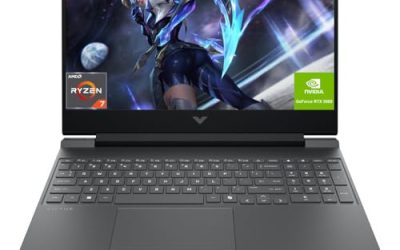
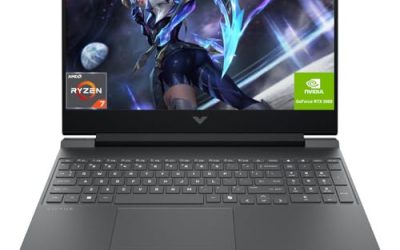
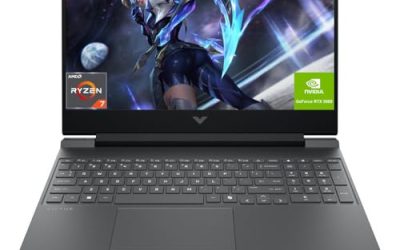
HP Victus 15

The HP Victus 15 pairs an AMD Ryzen AI 7 350 processor with a dedicated NVIDIA GeForce RTX 5060 graphics card, far beyond anything this 2003 title requests, yet that headroom makes the machine a comfortable home for an entire library of RPGs old and new. Its 32 GB of DDR5 memory lets you keep the game, character notes, and chat apps open together through a whole evening session.
The 15.6-inch Full HD IPS display runs at 144Hz as listed and gives the isometric maps plenty of space, while the RGB backlit keyboard and built-in Ethernet port suit a fixed desk setup. This is the pick for players who want one machine that handles the temple today and modern releases tomorrow.
Specs
- Processor: AMD Ryzen AI 7 350
- Graphics: NVIDIA GeForce RTX 5060, dedicated
- Memory: 32 GB DDR5 RAM
- Storage: 1 TB SSD
- Display: 15.6-inch Full HD, 1920×1080
- Keyboard: RGB backlit, with numeric keypad as listed
- Operating system: Windows 11 Home
- ASIN: B0G1N8R9Z4
Lenovo Legion 5 Gen 10

The Lenovo Legion 5 Gen 10 stands out for its screen: the listing describes a 15.1-inch WQXGA OLED display at 500 nits, and that contrast suits a game full of torchlit corridors and shadowed halls. Text and interface elements stay crisp at the higher resolution, which helps when reading spell descriptions and character sheets for hours.
Under the lid, the listing names an AMD Ryzen 7 260 processor, an NVIDIA GeForce RTX 5060 graphics card with 8 GB of GDDR7 memory, 16 GB of RAM, and a 1 TB SSD, so the game loads quickly and shares the drive comfortably with other titles. The 24-zone RGB backlit keyboard rounds out a machine aimed at players who settle in for long campaigns.
Specs
- Processor: AMD Ryzen 7 260, up to 5.1 GHz as listed
- Graphics: NVIDIA GeForce RTX 5060, 8 GB GDDR7
- Memory: 16 GB RAM
- Storage: 1 TB SSD
- Display: 15.1-inch WQXGA OLED, 500 nits as listed
- Keyboard: 24-zone RGB backlit
- Operating system: Windows 11 Home
- ASIN: B0FXMY8FYW
Acer Nitro V 15

The Acer Nitro V 15, model ANV15-51-99XD, combines an Intel Core i9-13900H processor with an NVIDIA GeForce RTX 4060 laptop GPU, giving this classic plenty of headroom while also covering newer games between campaigns. Its 15.6-inch Full HD IPS display runs at 180Hz as listed, and the backlit keyboard suits evening play.
Storage and memory are practical for a growing library: the listing states 16 GB of DDR5 memory across two slots with room to grow to 32 GB, plus a 1 TB PCIe Gen 4 SSD with a second M.2 slot. Thunderbolt 4, HDMI 2.1, and an Ethernet port make it easy to dock at a desk with an external monitor.
Specs
- Processor: Intel Core i9-13900H
- Graphics: NVIDIA GeForce RTX 4060 laptop GPU
- Memory: 16 GB DDR5, expandable to 32 GB as listed
- Storage: 1 TB PCIe Gen 4 SSD
- Display: 15.6-inch FHD IPS, 180Hz as listed
- Ports: Thunderbolt 4, HDMI 2.1, Ethernet RJ-45 as listed
- Operating system: Windows 11 Home
- ASIN: B0D8JTYXQM
MSI Katana 15

The MSI Katana 15 B13VEK-277US is a straightforward gaming laptop built around an Intel Core i7-13620H processor and an NVIDIA GeForce RTX 4050 graphics card. That pairing is comfortably ahead of the game’s published requirements, and the 1 TB NVMe SSD means the temple and a shelf of other classics all live on fast storage.
The 15.6-inch Full HD display runs at 144Hz as listed, and the chassis includes a USB Type-C port alongside the usual connections for a mouse and headset. For players who mostly return to older RPGs and want a dedicated Windows machine for that hobby, the Katana covers the essentials.
Specs
- Processor: Intel Core i7-13620H
- Graphics: NVIDIA GeForce RTX 4050, 6 GB GDDR6 as listed
- Memory: 16 GB DDR5
- Storage: 1 TB NVMe SSD
- Display: 15.6-inch Full HD, 144Hz as listed
- Ports: USB Type-C as listed
- Operating system: Windows 11 Home
- ASIN: B0BZBN3857
ASUS Zenbook 14 OLED

The ASUS Zenbook 14 OLED, model UM3406HA, is the portable option in this guide: a slim 14-inch laptop with an AMD Ryzen 7 8840HS processor and integrated Radeon 780M graphics. Integrated graphics are enough here, because the game’s requirements describe hardware from 2003, and the Zenbook’s modern chip sits far above that line while staying light in a bag.
The OLED touchscreen gives the game’s hand-drawn backgrounds deep contrast, and the 512 GB SSD holds the title many times over alongside documents and other light games. Choose this one if your campaign travels between rooms or houses, or if the same laptop also handles your writing and browsing.
Specs
- Processor: AMD Ryzen 7 8840HS
- Graphics: AMD Radeon 780M integrated
- Memory: 16 GB LPDDR5X
- Storage: 512 GB M.2 NVMe PCIe 4.0 SSD
- Display: 14-inch WUXGA OLED touchscreen, 1920×1200
- Battery: 75Wh as listed
- Operating system: Windows 11 Home
- ASIN: B0DFWZ77LB
Comparison Table
| Product | Best for | Key spec |
|---|---|---|
| HP Victus 15 | Players who also play modern RPGs | RTX 5060 with 32 GB DDR5 memory |
| Lenovo Legion 5 Gen 10 | Long sessions on a vivid screen | 15.1-inch WQXGA OLED, 500 nits as listed |
| Acer Nitro V 15 | Desk setups with a second monitor | Thunderbolt 4 and HDMI 2.1 |
| MSI Katana 15 | A dedicated classic RPG machine | RTX 4050 with 1 TB NVMe SSD |
| ASUS Zenbook 14 OLED | Campaigns that travel with you | Slim 14-inch OLED touchscreen design |
FAQ
Does The Temple of Elemental Evil run on Mac or Linux?
No. The PC release is Windows-only: store listings publish Windows requirements, with no macOS edition and no official Linux edition. That is why every laptop in this guide runs Windows, and Mac owners would need a Windows machine to play it.
How much storage and memory does the game need?
Very little. The original requirements call for roughly 1.5 GB of storage and a small amount of memory by today’s standards, so even the 512 GB drive in the Zenbook holds the game easily. The larger drives here are for the rest of your library.
Do I need a gaming laptop with a dedicated graphics card for this game?
No. The game’s requirements describe DirectX-era hardware from 2003, so a modern laptop with integrated graphics, like the Zenbook 14 OLED above, runs it. A dedicated card only matters if you also play newer releases on the same machine.
Conclusion
The Temple of Elemental Evil runs on Windows only and asks almost nothing of modern hardware, so the best laptop for it is the one you will enjoy sitting at for a long campaign: the Legion 5 Gen 10 for its OLED screen, the Zenbook 14 OLED for travel, or the Victus 15 to also cover today’s releases.
More from Amazon
Programs that pair well with the guide above. Offers and eligibility are set by Amazon and may change.
A free business account with business pricing and bulk-buying tools for work, shop or home office.
Create a business accountFree shipping on eligible items, Prime Video and more. Eligible new members can start with a free trial.
Start a Prime free trialAudiobooks and podcasts to listen to on the go. Eligible new members can start with a free trial.
Try Audible freeAd-free music streaming. Eligible new subscribers can start with a free trial.
Try Music Unlimited freeAs an Amazon Associate we earn from qualifying purchases.



Write Your Review
No reviews yet. Be the first to share your experience!