
MADiSON is a first-person psychological horror game from Bloodious Games, played through the lens of a possessed instant camera in a dark, shifting house. Its published requirements are modest: the minimum line names a GeForce GTX 950, and the recommended line names a GeForce GTX 1060. The real decision is whether to buy a laptop with a dedicated graphics card that clears the recommended line with room to spare, or to save weight with an integrated-graphics machine that sits outside the published wording. Screen size and brightness figures, as each listing states them, also shape how the game’s dim rooms read.
This guide serves players buying their first gaming laptop for horror titles, players who want a machine that also handles heavier games in their library, and players who travel and need something light. Every pick below was chosen from the names and specifications printed on its product listing, and each section repeats those figures exactly as listed.
Quick Picks
As an Amazon Associate we earn from qualifying purchases
| Product | Best for | Key spec from title |
|---|---|---|
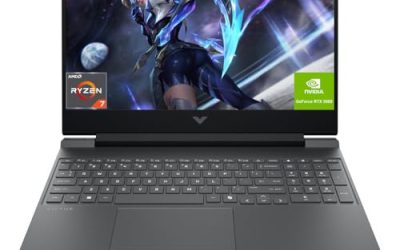
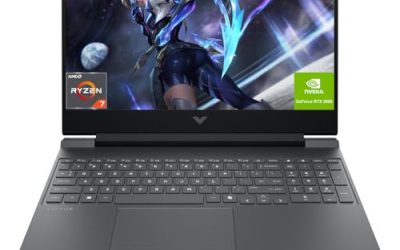
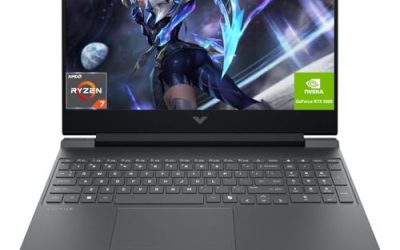
| HP Victus 15 | Everyday gaming at a desk | Ryzen AI 7 350 with RTX 5060 |
| Lenovo Legion 5 Gen 10 | Players who want the sharpest screen | RTX 5060 with 15.1-inch WQXGA OLED |
| Acer Nitro V 15 | Players who may add memory or storage later | Core i9-13900H with RTX 4060 |
| MSI Katana 15 | A straightforward mid-range gaming setup | Core i7-13620H with RTX 4050 6GB |
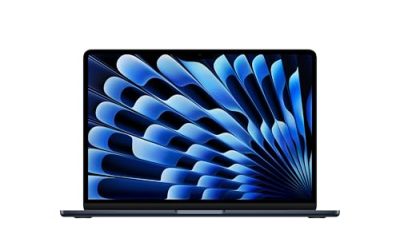
| ASUS Zenbook 14 OLED | Carrying the laptop everywhere | Ryzen 7 8840HS at about 2.65 lbs |
How to Choose
Platform and the published system requirements
MADiSON is a Windows-only game. Steam (app 1670870) publishes a single Windows requirements block and no macOS or Linux block, and GOG states the game works on Windows. The minimum block names Windows 7, 8, 8.1, 10 or 11, an Intel Core i3 or AMD Ryzen 3 processor, 6 GB of memory, a GeForce GTX 950 or Radeon R7 370, DirectX 10 and 10 GB of storage. The recommended block names Windows 10, a Core i5 or Ryzen 5, 8 GB of memory and a GeForce GTX 1060 or Radeon RX 480. Note that the Steam client itself supports only Windows 10 and later.
Graphics cards against the published line
Both published tiers name dedicated desktop cards, the GTX 950 at minimum and the GTX 1060 as recommended, so a dedicated laptop card is the straightforward match. The Victus, Legion and Nitro listings name RTX 5060 or RTX 4060 cards, current-generation parts positioned above that older recommended name. The Katana’s RTX 4050 is a newer card than the GTX 1060 but a step below its RTX siblings here, so treat it as the modest dedicated option. The Zenbook’s Radeon 780M is integrated graphics, which the published line never names; it sits outside the recommended wording and fits only modest settings expectations.
Memory and storage against the published line
The published minimum asks for 6 GB of memory and the recommended block asks for 8 GB, while every laptop here lists 16 GB or 32 GB, so memory is not the deciding factor in this group. Storage is simpler still: the game needs 10 GB of available space, and the smallest drive below is the Zenbook’s 512 GB SSD. Listings describe the Victus, Legion, Nitro and Katana drives as SSDs of 1 TB, and the Nitro listing adds that its memory uses two slots with a 32 GB maximum and that it carries two M.2 slots, which matters for later upgrades.
Display, weight and where entry-level machines cut back
Screen figures differ more than the hardware inside. The Legion lists a 15.1-inch WQXGA OLED panel at 2560×1600, 500 nits and 165Hz, the sharpest set of figures here, while the Victus, Nitro and Katana list 15.6-inch Full HD panels at 144Hz or 180Hz. The Zenbook lists a smaller 14-inch OLED touchscreen at 1920×1200. Weight splits the group too: the Zenbook is listed at about 2.65 lbs, while the gaming models run from the Katana’s listed 4.85 pounds to the Legion’s listed 7.09 pounds. Entry-level gaming lines usually cut back on panel type, brightness figures and chassis materials first.
The 5 Best Options
HP Victus 15
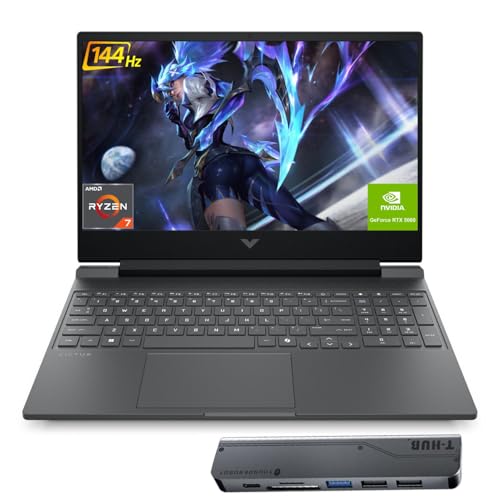
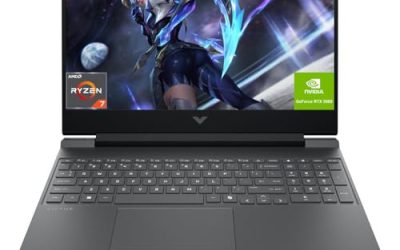
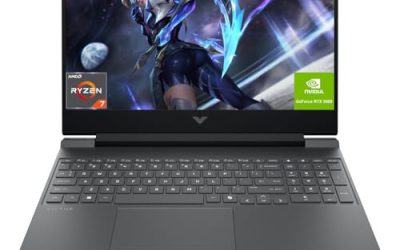
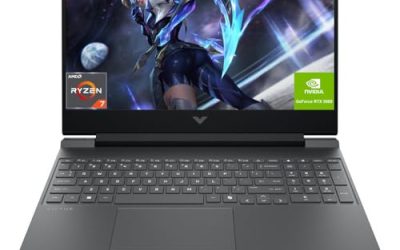
The Victus fits players who want one machine for MADiSON and a wider library of current games. Its listing names a Ryzen AI 7 350 processor and a dedicated RTX 5060, a card positioned well above the GTX 1060 in the game’s recommended block, alongside 32 GB of DDR5 memory, the most in this group. The 15.6-inch Full HD screen runs at 144Hz as listed, and the bundle adds a Thunderobot 7-in-1 USB-C hub. It is a desk-first machine rather than a travel pick, with an RGB backlit keyboard and an Ethernet port for a wired connection.
Specs
- Processor: AMD Ryzen AI 7 350, up to 5.0 GHz as listed
- Graphics: NVIDIA GeForce RTX 5060, dedicated (listing does not print a video-memory figure)
- Memory: 32 GB DDR5 at 4800 MHz as listed
- Storage: 1 TB SSD, PCIe x4 interface as listed
- Display: 15.6-inch, 1920×1080, 144Hz as listed in the title
- Keyboard: RGB backlit, as listed
- Ports: RJ-45 Ethernet; bundled Thunderobot 7-in-1 USB-C hub
- Operating system: Windows 11 Home
- Series: TPN-Q279, Black
Best for: Players who want one desk-based laptop for MADiSON and heavier current games.
Watch out for: The listing does not print the RTX 5060’s video-memory figure, so check the product page if that number matters to you.
ASIN: B0G1N8R9Z4
Lenovo Legion 5 Gen 10

The Legion fits players who care most about the screen, because horror games live in dark scenes and this listing leads with its panel: a 15.1-inch WQXGA OLED at 2560×1600, 500 nits and 165Hz. Its RTX 5060 Laptop GPU is listed with 8 GB of GDDR7 memory, the only graphics-memory figure printed among the dedicated picks here, and it pairs with a Ryzen 7 260 and 16 GB of DDR5-5600 memory. USB4, HDMI 2.1 and Ethernet cover desk setups well. The trade-off is size: the listing’s item weight reads 7.09 pounds, high for this class.
Specs
- Processor: AMD Ryzen 7 260, 3.80 GHz up to 5.10 GHz as listed
- Graphics: NVIDIA GeForce RTX 5060 Laptop GPU, 8 GB GDDR7
- Memory: 16 GB DDR5-5600 (SODIMM), 32 GB maximum as listed
- Storage: 1 TB SSD M.2 2242 PCIe Gen4
- Display: 15.1-inch WQXGA OLED, 2560×1600, 500 nits, 165Hz, non-touch
- Ports: USB4, HDMI 2.1, Ethernet (RJ-45), headphone/microphone combo jack
- Battery: 80Wh as listed
- Keyboard: 24-zone RGB backlit
- Operating system: Windows 11 Home
Best for: Players who want the sharpest, brightest listed screen for dark horror scenes.
Watch out for: The listing prints an item weight of 7.09 pounds, which reads high for a 15-inch gaming laptop, so confirm the weight on the product page before ordering.
ASIN: B0FXMY8FYW
Acer Nitro V 15

The Nitro fits players who like room to upgrade later. The listing states its 16 GB of DDR5 memory sits in two slots with a 32 GB maximum, and its 1 TB PCIe Gen 4 SSD is backed by two M.2 slots. Its Core i9-13900H and RTX 4060 sit above the game’s recommended line, and the 15.6-inch Full HD IPS panel carries the highest refresh figure here at 180Hz as listed. Thunderbolt 4, Wi-Fi 6 and Ethernet are all named in the listing. It is a practical pick for a growing game library, not just one horror title.
Specs
- Processor: Intel Core i9-13900H
- Graphics: NVIDIA GeForce RTX 4060 Laptop GPU with DLSS 3.5 as listed
- Memory: 16 GB DDR5, two slots, 32 GB maximum as listed
- Storage: 1 TB PCIe Gen 4 SSD, two M.2 slots as listed
- Display: 15.6-inch FHD IPS, 180Hz as listed
- Ports: Thunderbolt 4, HDMI 2.1, Ethernet (RJ-45), headphone/speaker/line-out jack
- Wireless: Wi-Fi 6 as listed
- Keyboard: Backlit, as listed
- Operating system: Windows 11 Home
- Model: ANV15-51-99XD
Best for: Players who want upgrade room for memory and storage down the line.
Watch out for: The listing does not print the RTX 4060’s video-memory figure, so check the product page if that number matters to you.
ASIN: B0D8JTYXQM
MSI Katana 15

The Katana is the straightforward mid-range option here: a Core i7-13620H, an RTX 4050 listed with 6 GB of GDDR6 memory in its bullet points, 16 GB of DDR5 memory and a 1 TB NVMe SSD. The RTX 4050 name sits a step below the RTX 4060 and RTX 5060 cards above, yet it is still a dedicated card, which is what the game’s published line asks for. The 15.6-inch Full HD IPS screen runs at 144Hz as listed, and the listing’s weight of 4.85 pounds is the lightest figure among the four gaming models.
Specs
- Processor: Intel Core i7-13620H, 10 cores as listed
- Graphics: NVIDIA GeForce RTX 4050, 6 GB GDDR6 per the listing bullet text
- Memory: 16 GB DDR5-4800
- Storage: 1 TB NVMe SSD
- Display: 15.6-inch Full HD IPS, 144Hz
- Weight: 4.85 pounds as listed in the technical details
- Ports: USB Type-C, USB 3.0 and USB 2.0 ports as listed
- Operating system: Windows 11 Home
- Model: B13VEK-277US, Black
Best for: Players who want a dedicated graphics card in the lightest gaming chassis here.
Watch out for: The listing’s technical-details table prints a graphics-memory figure that conflicts with the 6 GB GDDR6 in its own bullet text, so confirm the figure on the product page.
ASIN: B0BZBN3857
ASUS Zenbook 14 OLED

The Zenbook is the portability pick, listed at about 2.65 lbs with a 75 Wh battery and a 14-inch OLED touchscreen at 1920×1200. Buyers should be clear about the trade: its Radeon 780M is integrated graphics, and the game’s published line names dedicated cards in both tiers, so this machine sits outside the recommended wording and suits modest settings in a light horror game rather than high settings. Its 16 GB of LPDDR5X memory and 512 GB SSD clear the published memory and storage figures easily, and the OLED panel is a genuine plus for dark scenes.
Specs
- Processor: AMD Ryzen 7 8840HS, up to 5.1 GHz as listed
- Graphics: AMD Radeon 780M, integrated, 12 RDNA 3 compute units as listed
- Memory: 16 GB LPDDR5X
- Storage: 512 GB M.2 NVMe PCIe 4.0 SSD
- Display: 14-inch WUXGA OLED touchscreen, 1920×1200, as listed
- Battery: 75 Wh, up to 17 hours as listed
- Weight: About 2.65 lbs as listed
- Wireless: Wi-Fi 6E
- Operating system: Windows 11 Home
- Model: UM3406HA-WS74T, Jade Black
Best for: Players who carry their laptop daily and play lighter games at modest settings.
Watch out for: The listing describes a touchscreen, while the maker’s spec sheet for the UM3406HA lists a non-touch panel, so confirm the panel type on the product page.
ASIN: B0DFWZ77LB
Which One Fits Your Situation
You play at a desk and rarely move the laptop
If the laptop lives on one desk, weight stops mattering and screen size and ports take over. The Victus brings 32 GB of memory, an Ethernet port and a bundled USB-C hub, while the Legion adds the sharpest listed panel and USB4. Either covers MADiSON’s recommended line with headroom, and both leave room for a monitor, keyboard and mouse on the same desk.
You want to upgrade parts later
Buyers who keep a laptop for years should look at the Nitro first. Its listing states two memory slots with a 32 GB maximum and two M.2 slots, so both memory and storage can grow as a game library expands. The other gaming picks here do not print the same slot details in their listings, which makes the Nitro the clearest upgrade path in this group.
You travel and play in short sessions
If the laptop goes in a bag every day, the Zenbook’s listed weight of about 2.65 lbs and its 75 Wh battery stand apart from the gaming models. The honest limit is graphics: its integrated Radeon 780M sits outside the game’s published line, which names dedicated cards, so it suits modest settings in lighter titles rather than demanding ones. For MADiSON away from a desk, that trade can still make sense.
You mostly play horror and story games
Players whose library is horror and story titles do not need the strongest card here, but a dedicated card still matches the published line best. The Katana covers that line with the lightest listed weight among the gaming models, and the Legion’s OLED panel, at 500 nits as listed, is the strongest screen for dark scenes if desk space allows a heavier machine.
Common Mistakes
- Buying a Mac for this game: MADiSON publishes Windows requirements only, with no macOS edition.
- Assuming integrated graphics meets the line: both published tiers name dedicated cards, so an integrated chip sits outside the wording.
- Skipping the storage check on a shared laptop: the game needs 10 GB free, and a nearly full drive leaves no room for updates.
- Trusting one spec table without reading the bullets: the Katana listing prints conflicting graphics-memory figures in different places.
- Ignoring the listed weight on a laptop bought for travel: the gaming models here run from 4.85 to 7.09 pounds as listed.
Frequently Asked Questions
Does MADiSON run on a Mac?
No. MADiSON is Windows-only as published. Steam (app 1670870) lists a single Windows requirements block with no macOS or Linux block, and GOG states the game works on Windows. No native Mac edition exists, so every pick in this guide is a Windows laptop, from the Victus to the Zenbook, each running Windows 11 as listed.
What graphics card does MADiSON ask for?
The published minimum names a GeForce GTX 950 or Radeon R7 370, and the recommended block names a GeForce GTX 1060 or Radeon RX 480. Every dedicated card in this guide, from the Katana’s RTX 4050 to the RTX 5060 cards, is a newer laptop part than those desktop names. The Zenbook’s integrated Radeon 780M is the exception and sits outside that wording.
Can integrated graphics run MADiSON?
The published line does not name integrated graphics in either tier, so a machine like the Zenbook sits outside the recommended wording. Its memory and storage clear the published figures easily, and MADiSON is a light title, but buyers should expect modest settings rather than high ones. Players who want the published line matched plainly should choose one of the dedicated-card models above.
How much storage and memory does MADiSON need?
The published minimum asks for 6 GB of memory and 10 GB of available storage, and the recommended block raises memory to 8 GB with the same 10 GB of storage. Every laptop here lists at least 16 GB of memory and at least 512 GB of SSD storage, so all five clear those figures with room left for other games.
More from Amazon
Programs that pair well with the guide above. Offers and eligibility are set by Amazon and may change.
A free business account with business pricing and bulk-buying tools for work, shop or home office.
Create a business accountFree shipping on eligible items, Prime Video and more. Eligible new members can start with a free trial.
Start a Prime free trialAudiobooks and podcasts to listen to on the go. Eligible new members can start with a free trial.
Try Audible freeAd-free music streaming. Eligible new subscribers can start with a free trial.
Try Music Unlimited freeAs an Amazon Associate we earn from qualifying purchases.
Write Your Review
No reviews yet. Be the first to share your experience!