

Key takeaways
- A student laptop has a harder job than most people realize. It has to survive a backpack.
A student laptop has a harder job than most people realize. It has to survive a backpack, run a browser with a dozen tabs open next to a video lecture, last through a day of back-to-back classes and still be useful when a paper is due at midnight. When someone searches for the most recommended laptop for students, the real question is which specs actually keep a machine usable for four years, and which numbers on a listing are just decoration.
The six laptops here cover a wide spread: a 14-inch portable, 15.6-inch and 16-inch mainstream screens, and a 17.3-inch HP built for people who spend long hours at a desk. Everything is judged from the product titles alone, so the review looks at stated RAM, storage, screen size, processor family and bundled software, and flags where a title leaves out details a student should verify. Entering 2026, the biggest dividing line is RAM: 4GB is a struggle for Windows 11 multitasking, 8GB is a workable floor, and 12GB to 32GB gives breathing room.
Quick Picks
Our top picks
 2026 Laptops Computer
- 【Unbeatable Assurance & Support for Your Laptop】Shop with…
- 【Ready-to-Use System - Windows 11 Pro Laptop】Out-of-the-box productivity:…
- 【Immersive 15.6" Display on Traditional Laptop Computers】Experience sharp,…
| Product | Key specs | |
|---|---|---|
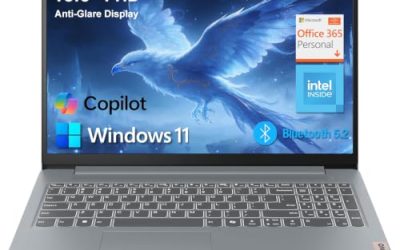
| 2026 Laptops Computer | 【Unbeatable Assurance & Support for Your Laptop】Shop with… 【Ready-to-Use System - Windows 11 Pro Laptop】Out-of-the-box productivity:… 【Immersive 15.6" Display on Traditional Laptop Computers】Experience sharp,… | Check price |
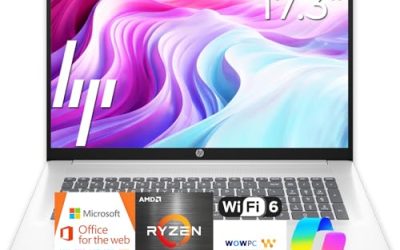
 HP 17 Inch FHD Laptop Computer for | Check price | |
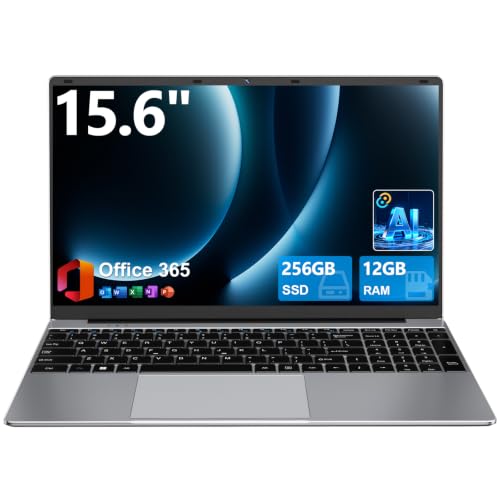 DRKAKO 15.6" FHD IPS Student Laptop | Check price | |
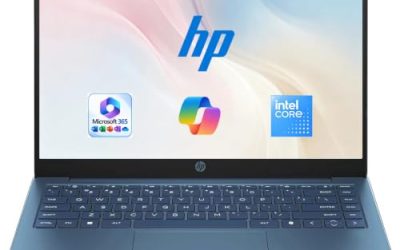
 HP 14" Laptop Computer for 2026 Student | 「4GB DDR5 RAM + 628GB Storage (128GB UFS… 「Quad-Core Intel N150 Processor」Powered by the 13th Gen… 「14" Anti-glare Display」Enjoy vibrant visuals on the 14"… | Check price |
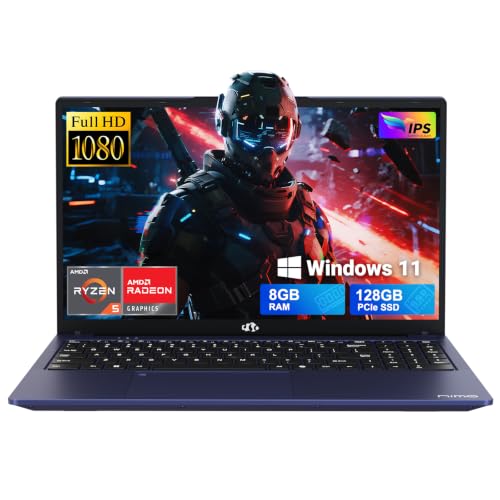 NIMO 15.6" FHD R5 AI Student Laptop | 【AMD Ryzen 5 for Daily Work】Powered by an… 【Radeon Vega 8 Visuals】Integrated AMD Radeon Vega 8… 【8GB RAM & 128GB SSD, Room to Grow】Equipped… | Check price |
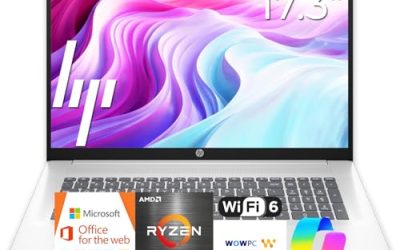
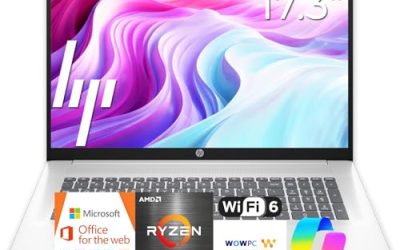
 HP 17 Inch FHD Laptop Computer for | 【POWERFUL AMD RYZEN 5 PERFORMANCE】 Powered by the… 【EXPANSIVE 17.3" FULL HD IPS DISPLAY】 Enjoy a… 【AI-ENHANCED PRODUCTIVITY WITH COPILOT】 Boost efficiency with the… | Check price |
As an Amazon Associate we earn from qualifying purchases at no extra cost to you.
| Product | Best for | Key spec from the title |
|---|---|---|
| HP 17-Inch FHD (32GB / 1TB) | Heavy multitasking and big screen work | AMD R5 7430U, 32GB RAM, 1TB SSD, 17.3-inch FHD IPS, Windows 11 Pro |
| DRKAKO 15.6-Inch FHD | General coursework with more RAM | 12GB RAM, 256GB SSD, J4105 quad-core, Office 365, 180-degree lay-flat |
| HP 14-Inch Student Laptop | Carrying between classes | 14-inch, Intel 4-core CPU, 4GB DDR5 RAM, Windows 11 Pro, MS Office |
| NIMO 15.6-Inch R5 | Storage upgrades and fast charging | R5, 8GB RAM, 256GB SSD expandable to 4TB, 65W Type-C PD, fingerprint |
| HP Everyday Student Laptop | Basic notes and light browsing | Intel processor, 128GB storage plus 500GB external drive, 1-year Office 365 |
| Exilapsire 16-Inch | Larger-screen budget-minded work | 16-inch IPS FHD, AMD A9, 8GB RAM, 256GB SSD, Windows 11 |
How to Choose
RAM decides how long the laptop feels fast
Aim for at least 8GB of RAM. Windows 11 plus a browser, a messaging app and a note-taking program will use most of 4GB, which leads to stalls and slow tab switching. Students in engineering, design or data courses should push toward 16GB or more, and a listing that mentions DDR5 or an upgradable slot is a plus for longevity. Remember that many thin laptops solder the memory to the board, so the amount you buy is the amount you keep. Do not trade RAM for a bigger screen unless you are comfortable living with slowdowns. A fast processor cannot rescue a machine that is starved of memory, so read the RAM line before the processor name.
Storage type and size matter more than they seem
An SSD makes boot and app loading far quicker than a hard drive, so prefer SSD storage. For coursework 256GB is a comfortable minimum; 128GB fills quickly once you add updates, software and project files. Be cautious with listings that add an external hard drive to the total, because that storage is not inside the laptop and has to be carried separately.
Choose a screen size that fits your routine
A 14-inch laptop is easiest to carry between lecture halls, while 15.6 inches is the mainstream sweet spot for a desk-and-backpack life. A 16-inch or 17.3-inch screen gives more room for side-by-side windows but adds weight in a bag. Look for IPS panels and FHD resolution, which give better viewing angles and sharper text than basic panels.
Check battery, ports and charging
Titles that promise long battery life should list hours or a battery capacity before you trust them. USB-C power delivery means you can charge from a compact charger or a power bank in a pinch, and a lay-flat hinge can help when sharing a screen in a study group. Bundled Office software is a convenience, but confirm whether it is a trial or a subscription and for how long.
The 6 Best Options
HP 17-Inch FHD Laptop (32GB RAM, 1TB SSD)
This HP listing is built for business and students who want power and a large display. It lists an AMD R5 7430U processor, 32GB of RAM, a 1TB SSD, a 17.3-inch FHD IPS display, Windows 11 Pro and Copilot AI. It suits students with demanding workloads such as video editing, programming or running several programs at once, or anyone who wants one machine for a long degree.
- Strength: 32GB of RAM and a 1TB SSD give plenty of headroom for multitasking and files.
- Strength: the 17.3-inch FHD IPS display offers a generous workspace.
- Trade-off: a 17.3-inch laptop is large for a backpack and awkward in small lecture hall desks.
Skip it if you carry your laptop all day, or if you need the lightest possible machine for travel between buildings. It is also more machine than a student who only writes essays and streams lectures will use.
DRKAKO 15.6-Inch FHD Student Laptop
DRKAKO targets students who want more memory than the typical entry-level laptop. The title lists a 15.6-inch FHD IPS display, 12GB of RAM, a 256GB SSD, a J4105 quad-core processor, a 180-degree lay-flat hinge, WiFi 5, Bluetooth, Office 365 and an AI assistant. It suits general coursework, research and document work, particularly for a student who lives in a browser, a word processor and a video call, and wants a lay-flat screen for sharing notes across a table.
- Strength: 12GB of RAM is a step above the 8GB floor for browser-heavy study.
- Strength: the 180-degree lay-flat hinge helps with group projects.
- Trade-off: a J4105 quad-core is an entry-level processor, so heavy software may feel slow.
Skip it if you plan to edit video, run engineering software or play demanding games.
HP 14-Inch Student Laptop with Office and Windows 11 Pro
The compact HP is aimed at productivity on the move. The listing mentions a 14-inch screen, an Intel 4-core CPU, 4GB of DDR5 RAM, Windows 11 Pro, Copilot AI and Microsoft Office. It suits students who need a portable machine for notes, reading and email.
- Strength: a 14-inch size is easy to carry between classes.
- Strength: the listing bundles Windows 11 Pro and Office for coursework.
- Trade-off: 4GB of RAM is thin for multitasking, and the storage total in the title is unclear until you read the full specs.
Skip it if you keep many browser tabs open or expect to use the laptop for years of heavier work. Anyone planning to run design tools or code editors alongside a browser should look at a model with more memory.
NIMO 15.6-Inch R5 AI Student Laptop
NIMO’s listing highlights upgrade flexibility. It lists a 15.6-inch FHD display, an R5 processor with 4 cores up to 3.7GHz, 8GB of RAM, a 256GB SSD that is expandable to 4TB, 65W Type-C fast charging and a fingerprint reader. It suits students who want to add storage later and charge through USB-C.
- Strength: storage expandable to 4TB leaves room for growth.
- Strength: 65W Type-C PD charging and a fingerprint reader add everyday convenience.
- Trade-off: 8GB of RAM is the minimum workable amount, and the title does not say whether memory is upgradeable.
Skip it if you want 16GB or more of RAM from day one. Students who rarely run out of space and never plug in anything but a charger will also get little from the expansion headline.
HP Everyday Student Laptop with Office 365
This HP model leans on basics: an Intel processor, 128GB of internal storage with a 500GB external hard drive, one year of Office 365, Copilot AI, long battery life and a thin, portable build. It suits students who mostly type papers, browse and watch lectures.
- Strength: the included year of Office 365 covers essential software.
- Strength: a thin, portable design with a long battery life claim suits a day on campus.
- Trade-off: the 128GB of internal storage is small, and the 500GB drive is external, so it has to be carried separately.
Skip it if you want lots of built-in storage or need a stated amount of RAM before you buy, since the title never gives a memory figure. It is a basic machine for light schoolwork rather than a long-term workhorse for demanding degrees.
Exilapsire 16-Inch Laptop with Windows 11
Exilapsire offers a 16-inch IPS FHD display, an AMD A9 processor with speeds up to 3.2GHz, 8GB of RAM and a 256GB SSD, positioned for students and work. It suits people who want a roomier screen than a 14-inch laptop for reading and writing without moving into 17-inch territory.
- Strength: a 16-inch IPS FHD panel gives extra room for documents.
- Strength: 8GB of RAM and a 256GB SSD hit the practical minimums.
- Trade-off: an AMD A9 is an older entry-level processor, so expect basic performance for office tasks and browsing.
Skip it if your coursework includes heavy software or if you need the strongest processor. Buyers who want the thinnest possible laptop for a packed bag may also find a 16-inch body larger than they like.
Which One Fits Your Situation
You study engineering or creative media
The HP 17-Inch with 32GB of RAM and a 1TB SSD offers the most capacity for large projects and multiple programs.
You want to upgrade later
The NIMO 15.6-Inch lists storage expandable to 4TB and USB-C fast charging, which suits long-term use.
You carry the laptop across campus all day
The HP 14-Inch is the most compact choice, though 4GB of RAM limits heavy multitasking.
You need more memory on a tighter plan
The DRKAKO lists 12GB of RAM and Office 365, a combination that suits writing, research and online classes, and it adds a lay-flat hinge that is handy in study groups.
Common Mistakes
- Accepting 4GB of RAM because the processor sounds impressive.
- Counting an external hard drive as part of the laptop’s storage.
- Buying a large 17-inch machine and then leaving it at home because it is heavy.
- Trusting “AI” labels on a listing as a sign of faster performance.
- Assuming bundled Office is permanent when it may be a one-year subscription.
Specs and Terms Explained
Processor naming
Chip names look similar across brands and generations, which makes a weak processor easy to mistake for a strong one. Read the full model, not just the tier word. Within a family, a newer generation or a higher model number generally means better efficiency, and a suffix that signals a low-power part usually means a thin machine tuned for battery life over speed. For note-taking, browsing and documents, any recent mainstream chip is fine. Engineering and media software is where a faster part pays off.
SSD versus eMMC
Both are flash storage, but an SSD is far faster at booting, opening apps and loading large files. eMMC storage is soldered to the board, slower and usually limited in size. If a listing only says flash storage, look for the word SSD or NVMe before assuming it.
FHD and brightness
FHD means 1920 by 1080 pixels, a comfortable sharpness for 14 to 17 inches. Brightness is measured in nits, and many budget screens sit on the dim side. A dim panel becomes hard to read in a bright lecture hall or beside a window. Matte finishes cut glare but can look slightly grainy.
Windows 11 Pro and Office bundles
Pro adds management and encryption features that a school or employer might require, while Home is enough for most households. A bundled office suite is often a time-limited or subscription license, so read what the listing actually grants before assuming it is permanent.
Battery claims
Listed battery hours usually come from a light, looped video or idle workload with the screen dimmed. A day of video calls, many browser tabs and a bright display can cut the real figure sharply. As a rule, treat a stated number as a ceiling, and if you need a full class day without a charger, favor a larger battery capacity and a lower-power processor.
Webcam and microphone
Online classes make the camera a daily tool. A basic 720p camera works but looks soft in dim rooms, and a model with a physical privacy shutter spares you a sticker. Check whether the listing mentions a camera at all, since some budget machines omit details.
Who Should Skip These
- Heavy gamers: most student laptops use integrated graphics, so modern 3D titles will run at low settings or not at all.
- Video editors working with high-resolution footage: light edits are fine, but long exports and large timelines expose the limits quickly.
- Students whose courses require a discrete graphics card: some CAD, simulation and rendering classes list it as a minimum, so read the department requirements first.
- Anyone expecting all-day battery under a heavy load: endurance depends on screen size, brightness and workload, and a large screen drains faster than a compact one.
If none of those describe you, the six laptops above cover the realistic range of what a student needs.
Related guides
- Affordable Gaming Mouse For Alienware Laptop
- Laptop Docking Stations For Dual Monitors
- Laptop Backpacks For 15.6 Inch Laptops
Frequently Asked Questions
How much RAM does a student laptop need?
Eight gigabytes is a practical floor for modern Windows. Choose 16GB or more for programming, design or video work.
Is a 256GB SSD enough for college?
For most coursework, yes. Store large files in cloud storage or on an external drive, and avoid 128GB if you install heavy software.
Which screen size is best for students?
A 14-inch screen is easiest to carry, while 15.6 inches suits desk use. Larger screens are better if you rarely leave your room, because the extra weight and bulk are easy to ignore when the laptop mostly sits on a desk. Think about where you study before choosing.
Does “Copilot AI” mean the laptop is faster?
No. It usually refers to a software feature in Windows. Check the RAM, storage and processor to judge real performance, and treat any assistant branding as a bonus rather than a reason to pick one model over another. The same caution applies to words like “long battery life” when no hours are given.
More from Amazon
Programs that pair well with the guide above. Offers and eligibility are set by Amazon and may change.
A free business account with business pricing and bulk-buying tools for work, shop or home office.
Create a business accountFree shipping on eligible items, Prime Video and more. Eligible new members can start with a free trial.
Start a Prime free trialAudiobooks and podcasts to listen to on the go. Eligible new members can start with a free trial.
Try Audible freeAd-free music streaming. Eligible new subscribers can start with a free trial.
Try Music Unlimited freeAs an Amazon Associate we earn from qualifying purchases.


Write Your Review
No reviews yet. Be the first to share your experience!